An LED at roughly 9W replaces a 60W incandescent at similar brightness. The saving is not a marketing figure; it is 51 watts multiplied by the hours the lamp burns and your rate per kilowatt-hour.
That means the bulbs to change first are not the prettiest fixtures — they are the ones that stay on longest. Our picks start with the plain multipack for exactly that reason.
Last updated 2026-09-15. Savings ranges are estimates based on typical US usage and electricity rates. Your actual result depends on your habits, local rate and how much the device is used — nothing here is a guaranteed saving.
The picks, side by side
| Pick | Product | Who it's for | Pros | Cons | Price |
|---|---|---|---|---|---|
| Best first purchase | A19 LED Bulb Multipack (60W equivalent) | Whole-home bulb swaps |
|
| $ |
| Best for rooms left on | Smart LED Bulb (dimmable, tunable white) | Living rooms, kids' rooms and porches |
|
| $$ |
| Best for multi-bulb fixtures | Smart Dimmer Switch | Chandeliers, hallways and open-plan rooms |
|
| $$ |
| Best for lighting less of the room | Under-Cabinet LED Strip Lighting Kit | Kitchens, desks and workshops |
|
| $ |
Best first purchase
A19 LED Bulb Multipack (60W equivalent)
Lowest cost per watt saved on the site. In a high-use room the payback is measured in weeks, and no app is involved.
- Who it's for
- Whole-home bulb swaps
- Key specs
- Wattage: ~9W (60W equivalent) · Brightness: ~800 lumens
Pros
- Lowest cost per watt saved
- Instant payback in high-use rooms
- No app or hub needed
Cons
- Not dimmable unless labelled
- Color quality varies by manufacturer
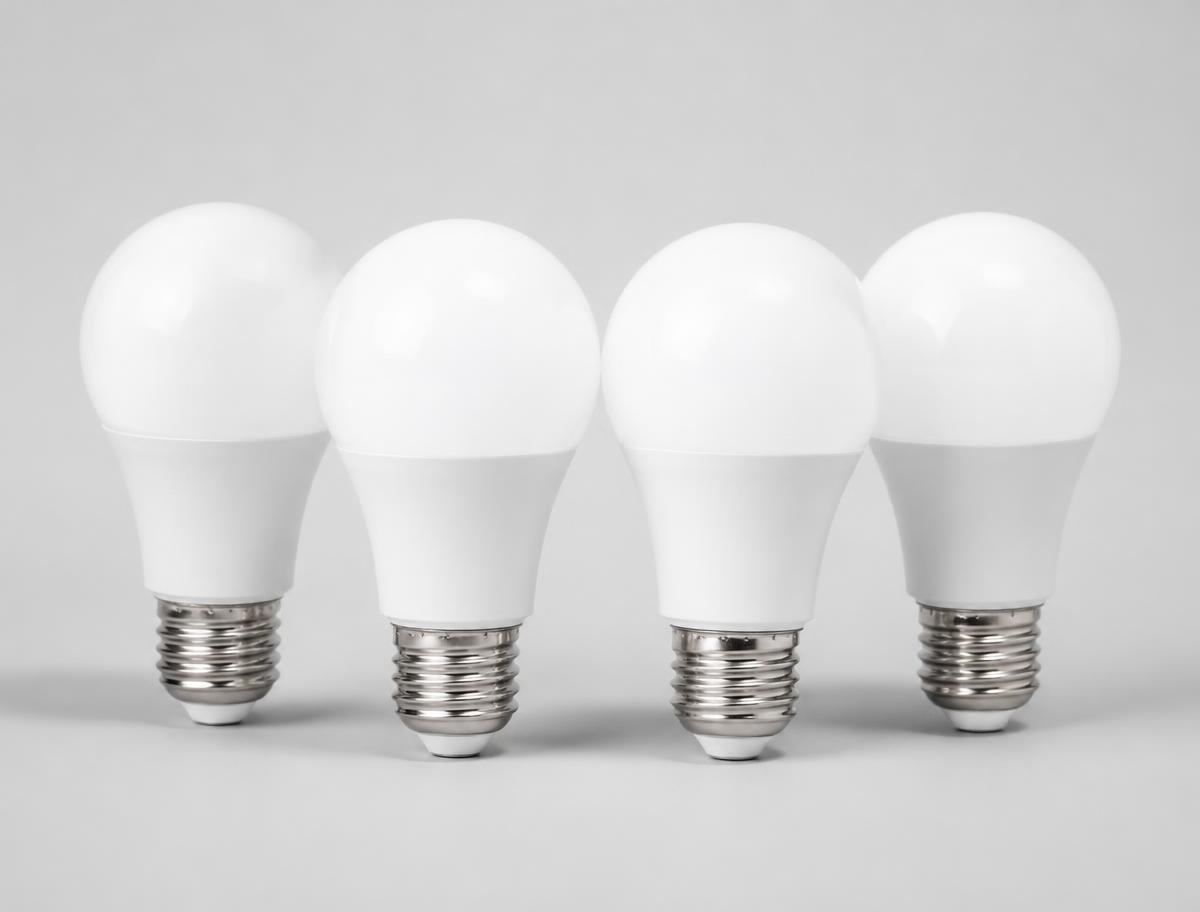
A19 LED Bulb Multipack (60W equivalent)
The simplest, cheapest upgrade in the house. Replaces a 60W incandescent with roughly 9W of draw at similar brightness.
- ~9W for 800 lumens
- 15,000–25,000 hour rating
- No app or hub required
- 2700K–5000K options
- Best for
- Whole-home bulb swaps
- Price range
- $
Affiliate link — as an Amazon Associate we earn from qualifying purchases.
Best for rooms left on
Smart LED Bulb (dimmable, tunable white)
Dimming lowers draw further and schedules stop all-night burn. Worth the premium only where lights genuinely get forgotten.
- Who it's for
- Living rooms, kids' rooms and porches
- Key specs
- Wattage: ~9W (60W equivalent) · Dimming: 1–100% via app
Pros
- Dimming cuts draw further
- Schedules prevent all-night burn
- Vacation randomization
Cons
- Costs more per bulb
- Standby draw of ~0.3–0.5W
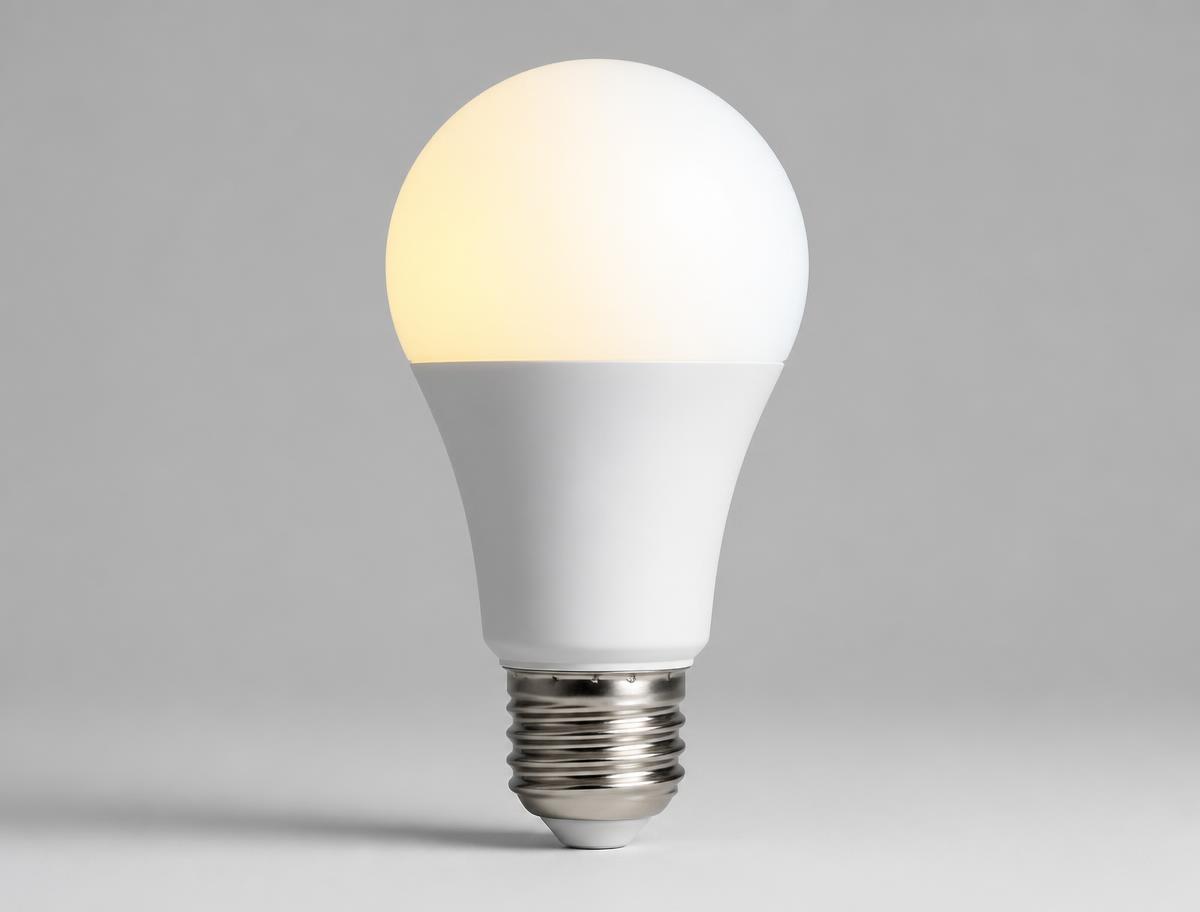
Smart LED Bulb (dimmable, tunable white)
Adds schedules, dimming and away-mode automation on top of LED efficiency. Best in rooms where lights get left on.
- 1–100% app dimming
- Sunrise/sunset schedules
- Wi-Fi models need no hub
- Vacation randomisation
- Best for
- Living rooms, kids' rooms, porches
- Price range
- $$
Affiliate link — as an Amazon Associate we earn from qualifying purchases.
Best for multi-bulb fixtures
Smart Dimmer Switch
One switch dims six lamps for less than six smart bulbs, and the wall control still works when Wi-Fi does not.
- Who it's for
- Chandeliers, hallways and open-plan rooms
- Key specs
- Load: LED-rated dimming · Wiring: Neutral wire usually required
Pros
- Cheaper than smart-bulbing a fixture
- Works with ordinary LEDs
- Still works if Wi-Fi drops
Cons
- Requires basic wiring work
- Neutral wire not in every older box
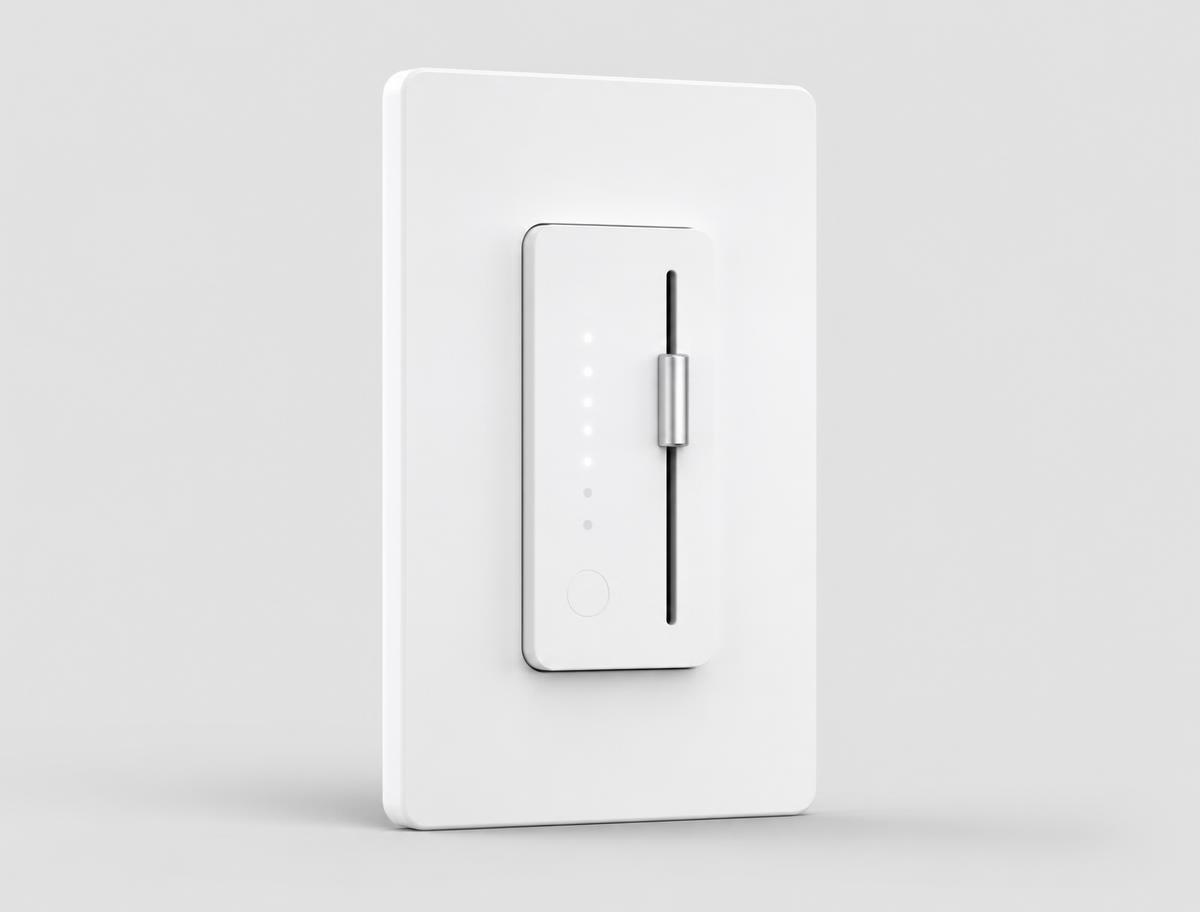
Smart Dimmer Switch
Controls the whole fixture rather than one bulb, so a six-lamp chandelier dims and schedules from a single device.
- Dims any LED-compatible fixture
- Keeps normal wall control
- App and voice schedules
- One device per circuit
- Best for
- Multi-bulb fixtures and hallways
- Price range
- $$
Affiliate link — as an Amazon Associate we earn from qualifying purchases.
Best for lighting less of the room
Under-Cabinet LED Strip Lighting Kit
Task lighting means you stop running a ceiling fixture to see one countertop — often the biggest lighting change of all.
- Who it's for
- Kitchens, desks and workshops
- Key specs
- Draw: ~4-8W per metre · Install: Adhesive backing, plug-in driver
Pros
- Replaces high-wattage overheads for tasks
- Cheap and quick to fit
- Big perceived upgrade
Cons
- Cheap strips have poor color rendering
- Adhesive can lift in heat
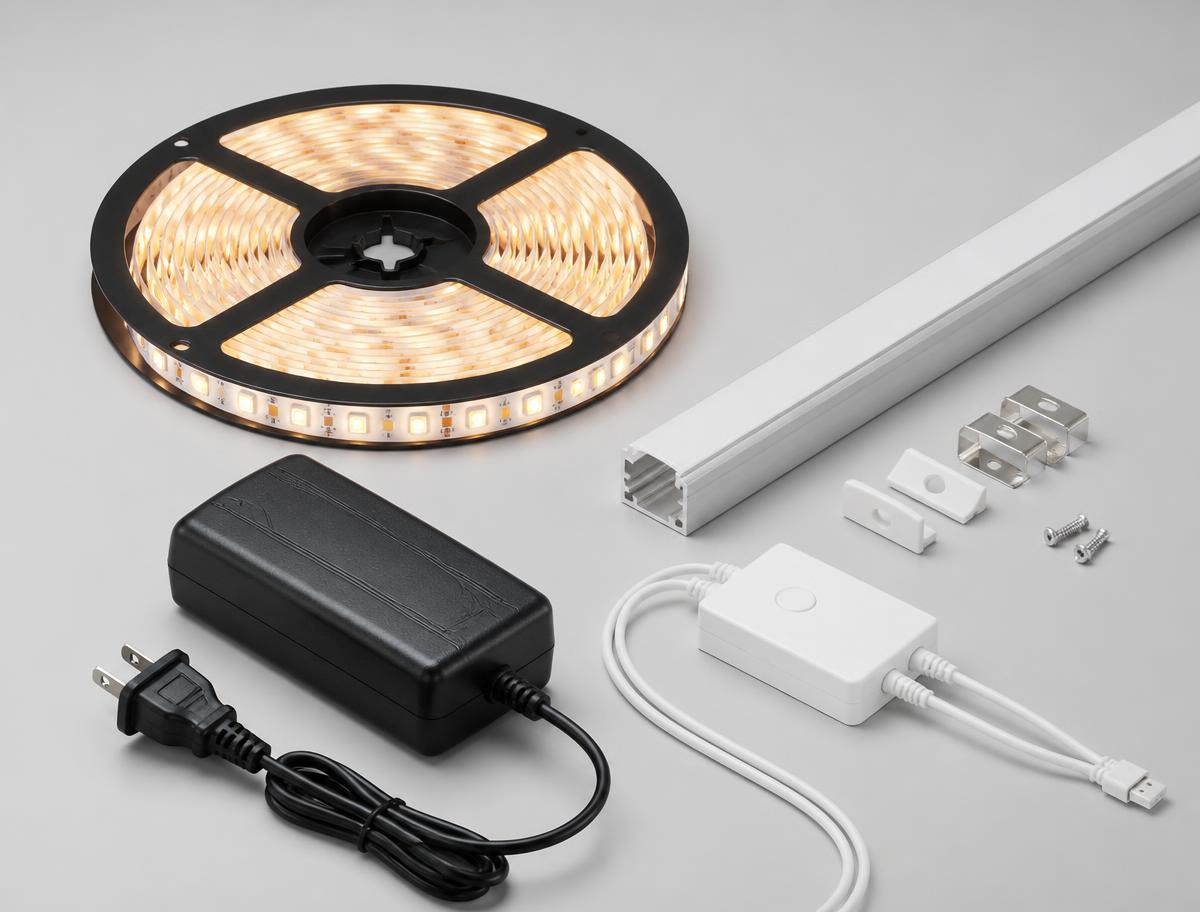
Under-Cabinet LED Strip Lighting Kit
A few watts of task light where you actually work, so the kitchen or garage ceiling lights stay off.
- Roughly 4-8W per metre
- Dimmable and cuttable runs
- Adhesive install, no wiring
- Motion or switch triggered options
- Best for
- Kitchens, desks, garages, closets
- Price range
- $
Affiliate link — as an Amazon Associate we earn from qualifying purchases.