Tutorials
Do-it-this-weekend guides for a lower electric bill
Short, ordered walkthroughs you can actually finish. No product pushed inside a tutorial — the maths comes first.
All tutorials
- Beginner 15 min
Read your electric bill like an auditor
Find your true cost per kWh, your fixed charges and your seasonal peaks so every later decision is based on your numbers, not averages.
- 1Locate total kWh used and total amount billed for the month.
- 2Divide the amount billed by kWh to get your all-in cost per kWh, including delivery and fixed fees.
- 3Compare three consecutive bills to spot heating or cooling seasonality.
- 4Note any time-of-use windows — shifting loads may be worth more than swapping devices.
Sets the rate used by the LED savings calculator.
Put your rate into the calculator - Beginner 30 min
Plan a whole-home LED swap in one weekend
Prioritise the sockets that actually burn hours, match brightness properly and avoid the two mistakes that make people dislike LEDs.
- 1Walk the house and write down each fixture: wattage, bulb shape and rough hours used per day.
- 2Rank sockets by hours per day — kitchen, living room and porch normally top the list.
- 3Match on lumens, not watts (roughly 800 lm replaces a 60W incandescent).
- 4Pick 2700K for living spaces and 4000K+ for work areas; buy dimmable only where a dimmer exists.
- 5Run each fixture through the savings calculator before buying in bulk.
Highest-hour rooms usually repay the bulb cost within months.
Set up: A19 LED bulb multipack - Beginner 20 min
Find phantom loads with a metering plug
Standby draw is small per device and large per household. A week of measurement shows exactly which devices deserve a switch.
- 1List always-plugged devices: TV and console stacks, desktop setups, printers, secondary fridges.
- 2Put a metering plug on one device for a full week and record kWh used.
- 3Multiply weekly kWh by 52, then by your cost per kWh, to get an annual cost.
- 4Anything costing more than a few dollars a year at standby goes on a schedule or a switched strip.
Typically uncovers a few always-on devices worth switching off.
Set up: metering smart plug - Intermediate 25 min
Set up thermostat setbacks that stick
HVAC is usually the biggest line on the bill. Setbacks work when they match how your household actually lives.
- 1Check for a C-wire behind the current thermostat before buying anything.
- 2Look up rebates from your utility — they often cover a large share of the cost.
- 3Set a sleep setback and a weekday-away setback rather than one aggressive schedule.
- 4Give it two weeks, then review the runtime report and tighten the schedule.
Applies to the largest single load in most homes.
Set up: smart thermostat - Intermediate 15 min
Choose between smart switches and smart bulbs
One switch on a circuit of plain LEDs usually beats six smart bulbs — unless you want colour or per-bulb control.
- 1Count the bulbs on the circuit. Three or more usually favours a switch.
- 2Confirm the switch box has a neutral wire.
- 3Keep smart bulbs for lamps and single-socket fixtures where no switch exists.
- 4Never put smart bulbs behind a smart switch that cuts their power.
Avoids paying twice for the same automation.
Set up: smart dimmer switch - Beginner 10 min
Automate away the lights you keep leaving on
Schedules and away modes capture savings that willpower does not. Start with three rules, not thirty.
- 1Add a sunset-on / bedtime-off rule for exterior lights.
- 2Add an auto-off timer for rooms with a history of lights left burning.
- 3Add an away rule that turns everything off when the last phone leaves home.
- 4Review after a month and delete any rule you had to override repeatedly.
Best in porches, garages, kids' rooms and basements.
Set up: smart power strip
Free guide
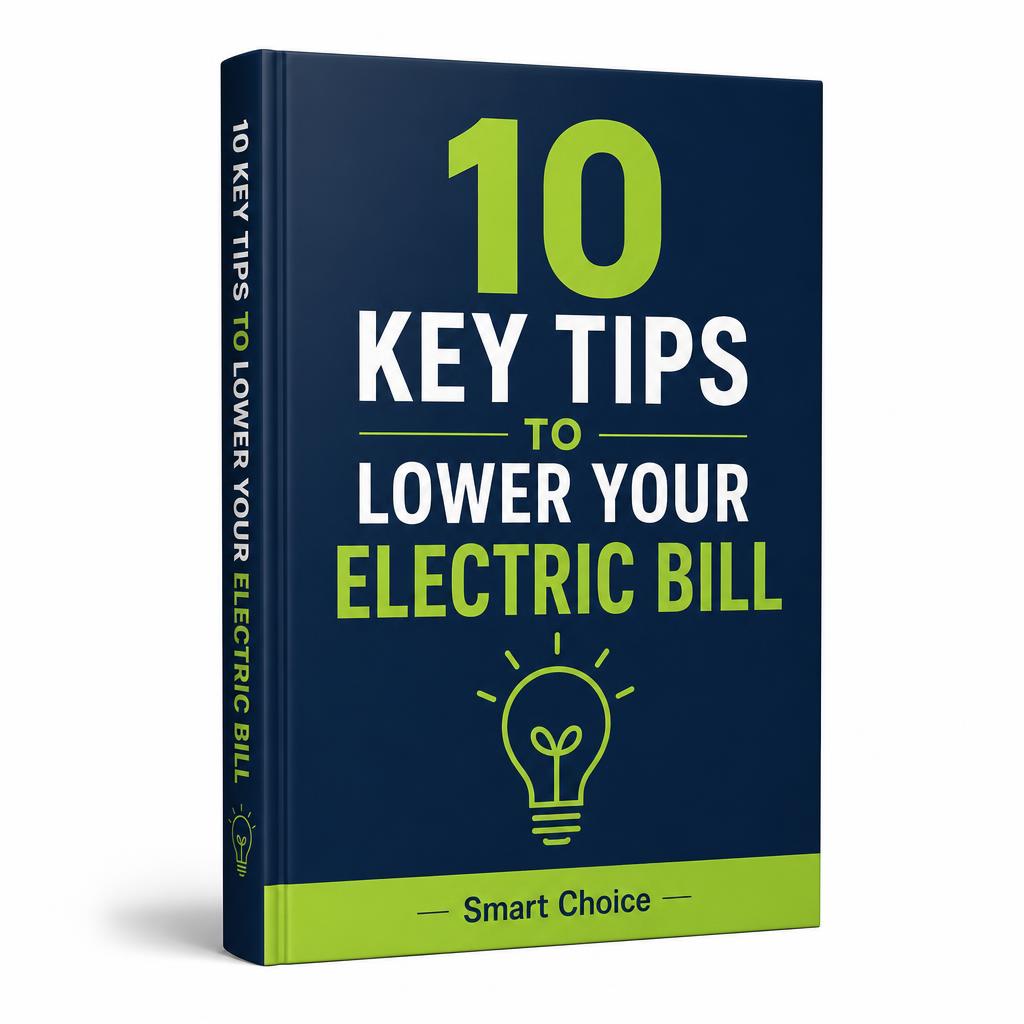
10 Key Tips to Lower Your Electric Bill
A short, practical PDF you can work through in a weekend. No fluff, no hype — just the changes that move a real electric bill.
- The 3 changes that cut the most kWh first
- A room-by-room LED swap checklist
- How to read your bill and spot the expensive habits
- Where phantom loads hide — and how to measure them