Most electric bills are dominated by a handful of loads: heating and cooling, water heating, laundry, refrigeration and lighting. This list is ordered roughly by effort, starting with the changes that cost nothing at all.
Free habit changes
These cost nothing and can usually be started today.
- Raise the thermostat a few degrees in summer and lower it in winter.
- Use setbacks overnight and whenever the house is empty.
- Wash laundry in cold water — heating water is most of the cycle's cost.
- Air-dry laundry when weather allows.
- Run dishwashers and washers only when full.
- Skip the dishwasher's heated dry cycle.
- Turn off lights when leaving a room.
- Unplug chargers, game consoles and secondary TVs that idle all day.
- Close blinds on sun-facing windows during summer afternoons.
- Open blinds on sunny winter days for free heat.
Low-cost upgrades
Small purchases with short payback periods.
- Replace the highest-use incandescent bulbs with LEDs first.
- Add smart plugs to measure and schedule the biggest phantom loads.
- Install a programmable or smart thermostat.
- Fit low-flow showerheads to cut water-heating energy.
- Add weatherstripping to exterior doors.
- Caulk gaps around window frames and penetrations.
- Clean or replace HVAC filters on schedule.
- Insulate the first few feet of hot water pipe near the tank.
- Add an insulating blanket to an older electric water heater.
- Use power strips to switch off entire entertainment clusters.
Bigger projects worth budgeting for
Longer payback, but these move the needle most on a high bill.
- Top up attic insulation to the level recommended for your climate zone.
- Seal and insulate ducts running through unconditioned space.
- Replace an aging refrigerator — pre-2000 units can use two to three times more electricity.
- Move to a heat pump water heater where climate and space allow.
- Check for utility rebates before buying anything on this list.
Measure before and after
Write down your kWh usage — not just the dollar amount — from twelve months of bills. Rates change, so kWh is the honest measure of whether a change worked.
Change one thing at a time where practical, and give each change a full billing cycle before judging it.
FAQ
- What uses the most electricity in a typical home?
- For most US households, heating and cooling is the largest single category, followed by water heating, refrigeration, laundry and lighting. Attack them in that order for the biggest effect.
- Do phantom loads really matter?
- Individually they are small, but standby draw across a whole house commonly totals 5 to 10 percent of consumption. A metering smart plug tells you exactly which devices are worth switching off.
Keep reading
Free guide
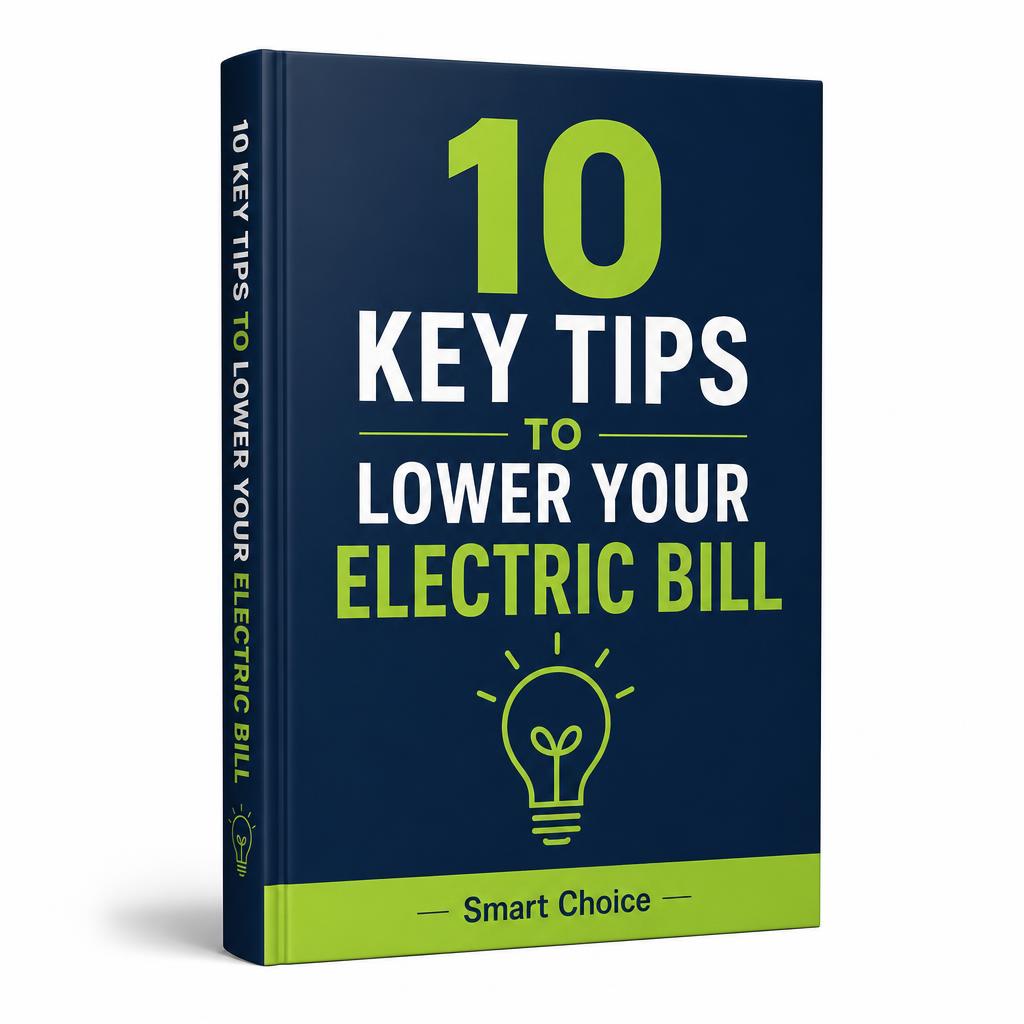
10 Key Tips to Lower Your Electric Bill
A short, practical PDF you can work through in a weekend. No fluff, no hype — just the changes that move a real electric bill.
- The 3 changes that cut the most kWh first
- A room-by-room LED swap checklist
- How to read your bill and spot the expensive habits
- Where phantom loads hide — and how to measure them