A first smart home purchase should solve a real problem: something you forget to switch off, a temperature you keep adjusting, or a bill line you cannot explain. Start there rather than with a device category.
1. A metering smart plug
The cheapest way to replace guesswork with data. Plug in the space heater, the old fridge in the garage or the entertainment cluster and read actual watts and kWh over a week.
It doubles as your first automation: schedules, away mode and voice control on whatever you plug into it.
2. A smart thermostat
Heating and cooling is usually the biggest slice of the bill, and a thermostat that handles setbacks automatically captures savings you would otherwise forget.
Check for a C-wire before buying, and check your utility's rebate list — thermostats are among the most commonly subsidised devices.
3. Smart bulbs in the right rooms
Put them where lights get left on, not everywhere. Elsewhere, plain LEDs deliver the same efficiency for a fraction of the price.
4. A smart switch or dimmer
One device controls a whole circuit of existing LEDs. It is often the better value than replacing six bulbs, and it keeps the wall switch working normally for everyone else in the house.
Setup advice that saves regret
A few decisions up front prevent an expensive mess later.
- Pick one ecosystem and check compatibility before every purchase
- Prefer devices that keep basic function when the internet is down
- Name devices by room so voice control stays predictable
- Add automations gradually — one per week beats twenty at once
- Review your bill after a full cycle to see what actually changed
FAQ
- Do I need a hub to start?
- Not usually. Most beginner Wi-Fi devices connect directly to your router. A hub becomes worthwhile once you run many low-power sensors or want everything to keep working offline.
- Will smart devices actually lower my bill?
- They lower it when they change behaviour — automating setbacks, ending all-night lighting, or exposing a device that draws far more than you expected. Buying hardware alone changes nothing.
Keep reading
Free guide
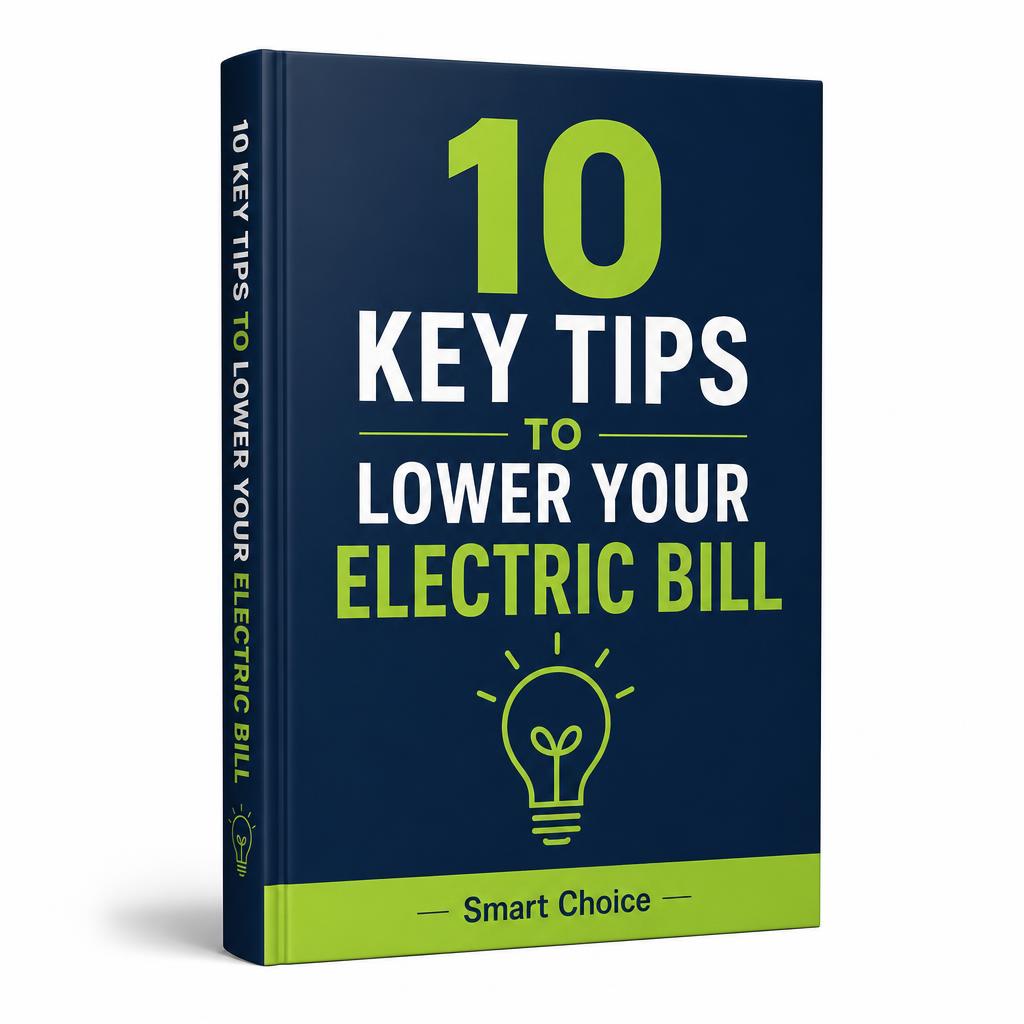
10 Key Tips to Lower Your Electric Bill
A short, practical PDF you can work through in a weekend. No fluff, no hype — just the changes that move a real electric bill.
- The 3 changes that cut the most kWh first
- A room-by-room LED swap checklist
- How to read your bill and spot the expensive habits
- Where phantom loads hide — and how to measure them