Standby, or phantom, load is the trickle drawn by consoles, chargers, TVs, printers and speakers that are technically off. Individually tiny; across a whole house it runs continuously, all year.
A metering plug is worth buying before anything else because it turns guessing into measuring: you see the watts, then you decide whether a schedule or an off switch is worth it.
Last updated 2026-09-15. Savings ranges are estimates based on typical US usage and electricity rates. Your actual result depends on your habits, local rate and how much the device is used — nothing here is a guaranteed saving.
The picks, side by side
| Pick | Product | Who it's for | Pros | Cons | Price |
|---|---|---|---|---|---|
| Best overall | Smart Plug with Energy Monitoring | Anyone hunting phantom loads for the first time |
|
| $ |
| Best value multipack | Smart Plug 4-Pack (Wi-Fi, voice control) | Homes automating several small loads |
|
| $ |
| Best for entertainment and desk clusters | Smart Power Strip with Per-Outlet Control | TV walls, consoles and home offices |
|
| $$ |
| Best for rooms nobody switches off | Motion / Occupancy Sensor Switch | Garages, laundries, basements and hallways |
|
| $ |
Best overall
Smart Plug with Energy Monitoring
Measuring is the point. Plug it into a suspect device, read the watts, then decide. The measurement is what makes every later decision honest.
- Who it's for
- Anyone hunting phantom loads for the first time
- Key specs
- Monitoring: Watts, kWh, runtime · Scheduling: Timers and away modes
Pros
- Turns guesses into measured data
- Cheap way to start automating
- Great for space heaters and TVs
Cons
- One outlet per plug
- Not for high-draw hardwired appliances
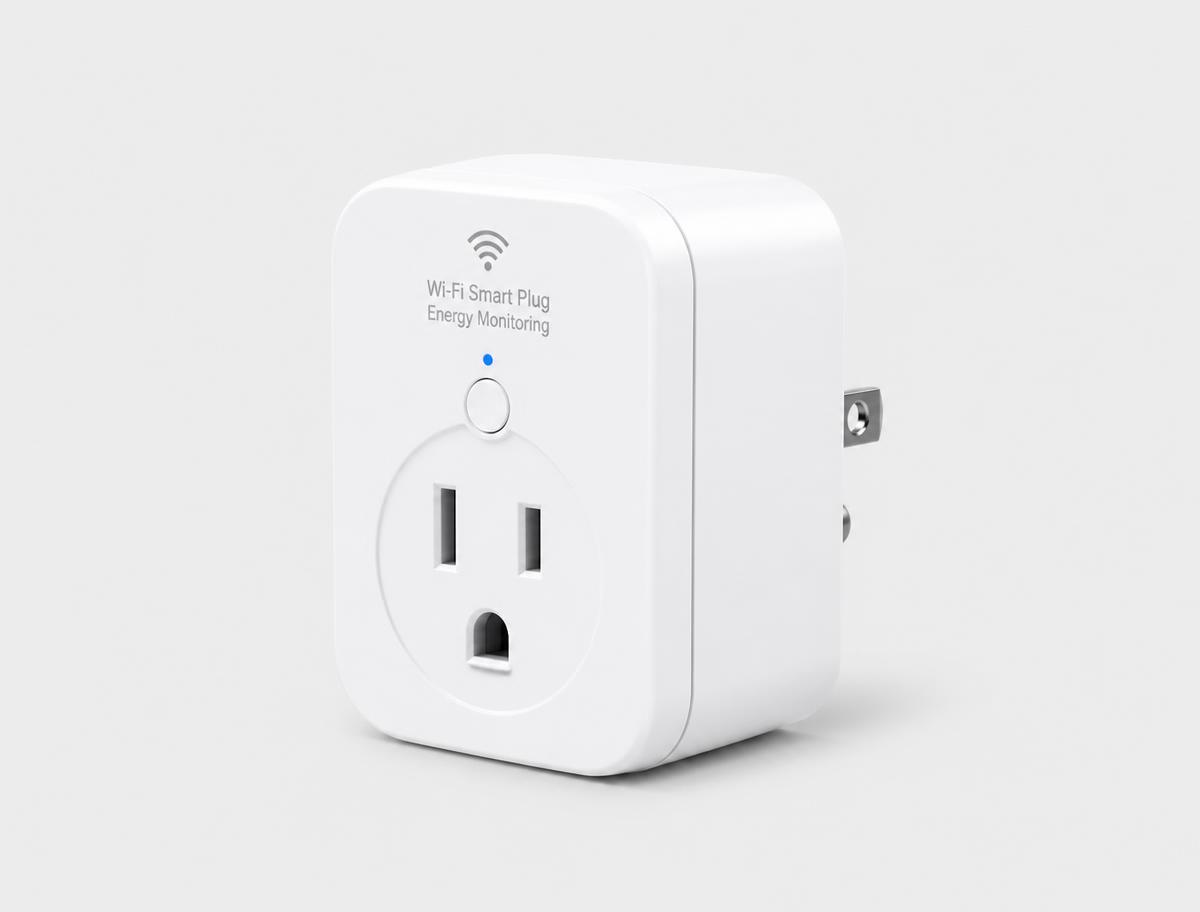
Smart Plug with Energy Monitoring
Measures what a single appliance actually draws, so you can stop guessing which devices are quietly costing you money.
- Watts, kWh and runtime logging
- Timers and away modes
- Voice assistant support
- Check amp rating first
- Best for
- Finding phantom loads
- Price range
- $
Affiliate link — as an Amazon Associate we earn from qualifying purchases.
Best value multipack
Smart Plug 4-Pack (Wi-Fi, voice control)
Once you know which devices to schedule, a multipack is the cheapest way to cover them all rather than one at a time.
- Who it's for
- Homes automating several small loads
- Key specs
- Quantity: 4-pack · Wireless: 2.4 GHz Wi-Fi
Pros
- Cheapest way to automate several rooms at once
- Compact enough to not block the second outlet
- Simple app setup
Cons
- Check the amp rating before using with heaters
- No per-outlet metering on every model
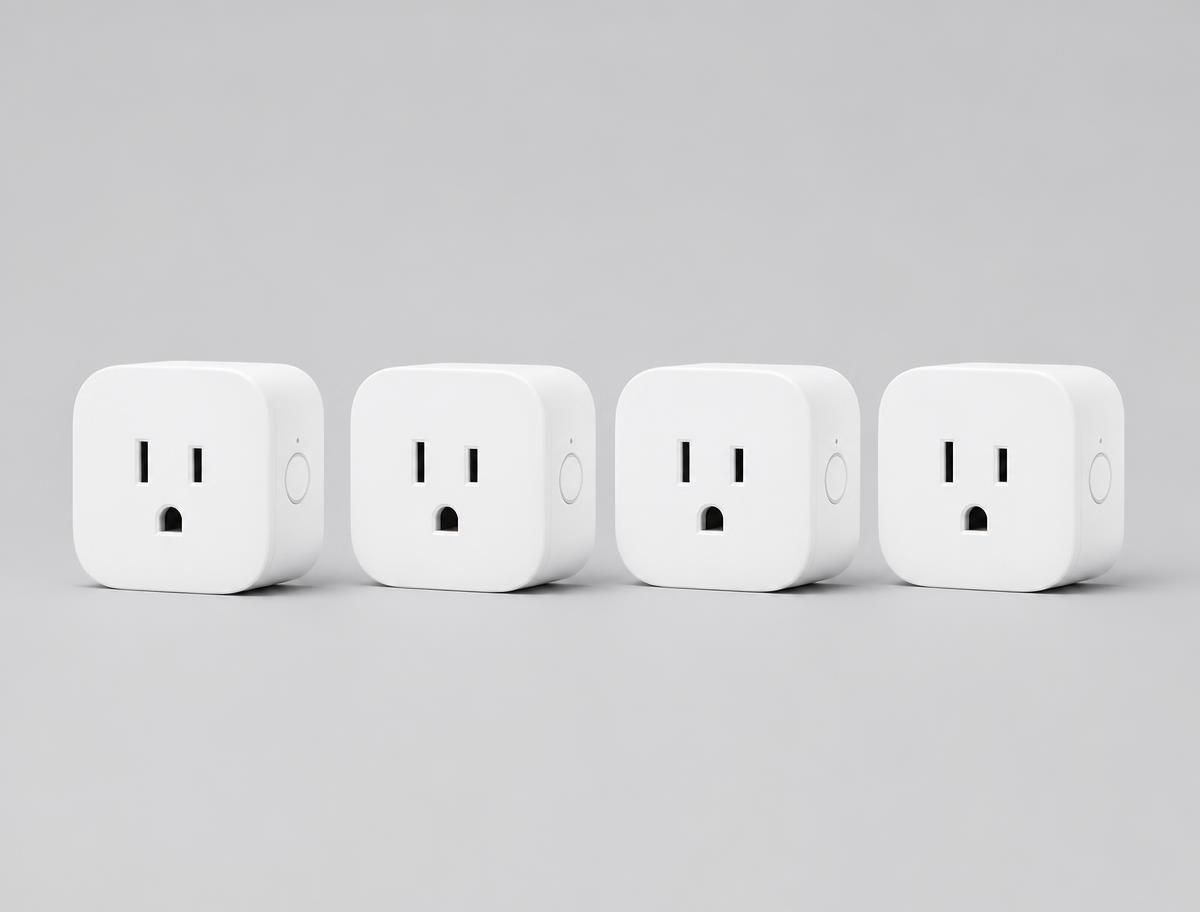
Smart Plug 4-Pack (Wi-Fi, voice control)
Four compact Wi-Fi plugs so you can schedule lamps, fans, heaters and chargers around the house in one afternoon.
- Four plugs in one pack
- 2.4 GHz Wi-Fi, no hub required
- App schedules and timers
- Voice assistant control
- Best for
- Rolling out schedules across several rooms
- Price range
- $
Affiliate link — as an Amazon Associate we earn from qualifying purchases.
Best for entertainment and desk clusters
Smart Power Strip with Per-Outlet Control
Per-outlet control means the router stays on while the console, soundbar and monitor go off together — one device instead of five plugs.
- Who it's for
- TV walls, consoles and home offices
- Key specs
- Outlets: Typically 3–6 switched · USB: 2–4 charging ports
Pros
- Kills several phantom loads at once
- Keeps always-on devices separate
- Tidier than multiple smart plugs
Cons
- Bulkier than a plain strip
- Cloud dependency on some models
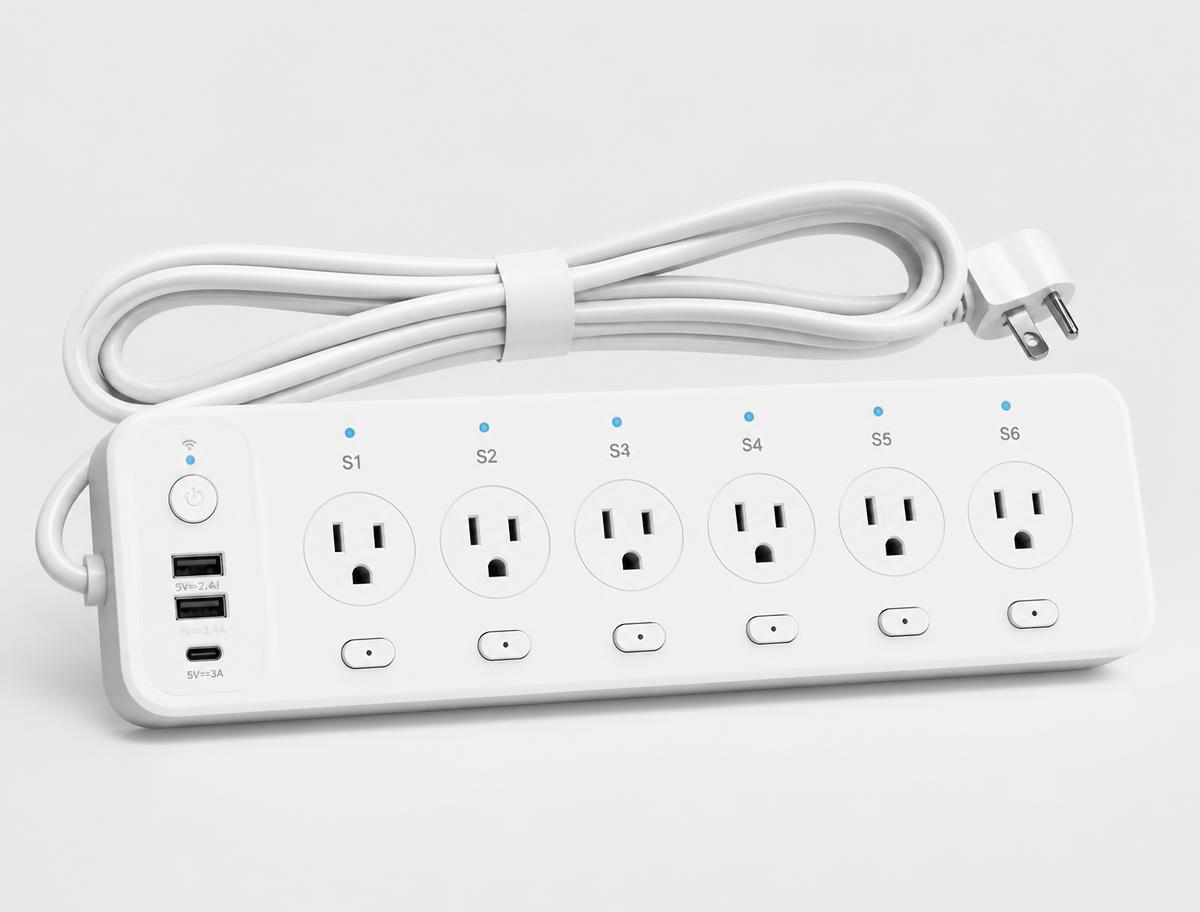
Smart Power Strip with Per-Outlet Control
Switches a whole media centre or desk cluster off at once, removing the standby draw of six devices in a single schedule.
- Individually switched outlets
- Surge protection
- USB charging ports
- Group schedules and scenes
- Best for
- Media centres and home offices
- Price range
- $$
Affiliate link — as an Amazon Associate we earn from qualifying purchases.
Best for rooms nobody switches off
Motion / Occupancy Sensor Switch
Not a plug, but the same idea applied to lighting: it removes the human step that keeps costing money.
- Who it's for
- Garages, laundries, basements and hallways
- Key specs
- Modes: Occupancy or vacancy · Timeout: Typically 1–30 minutes
Pros
- Cheapest automation that always pays
- No app or account needed
- Great in low-traffic rooms
Cons
- Can time out if you sit still
- Not for rooms needing constant light
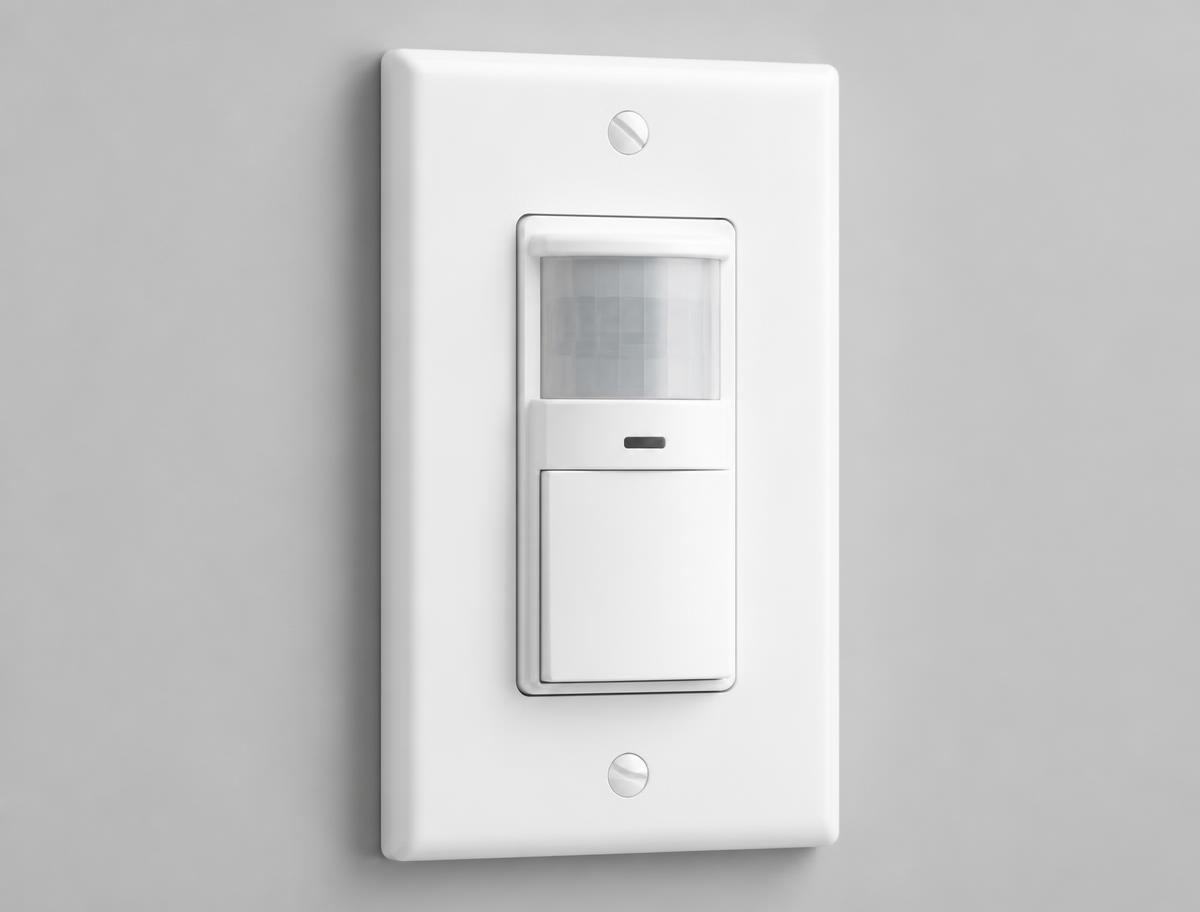
Motion / Occupancy Sensor Switch
Replaces a normal wall switch and turns lights off automatically in the rooms nobody remembers to switch off.
- Auto-off timeout
- Vacancy (manual-on) mode
- Adjustable sensitivity
- No app required
- Best for
- Hallways, closets, laundry, garages
- Price range
- $
Affiliate link — as an Amazon Associate we earn from qualifying purchases.