A smart thermostat does not save energy by existing. It saves energy because it runs setbacks — a few degrees back while you sleep or while the house is empty — every single day, without anyone remembering to do it.
That is why our picks are judged on how reliably they automate setbacks and how clearly they report runtime, not on how many colours the screen shows. We also include two fans, because in cooling season a fan lets you hold the thermostat higher for a fraction of the wattage.
Last updated 2026-09-15. Savings ranges are estimates based on typical US usage and electricity rates. Your actual result depends on your habits, local rate and how much the device is used — nothing here is a guaranteed saving.
The picks, side by side
| Pick | Product | Who it's for | Pros | Cons | Price |
|---|---|---|---|---|---|
| Best overall | Learning Smart Thermostat | Homes with central heating or air conditioning |
|
| $$$ |
| Best partner upgrade | DC-Motor Ceiling Fan with LED Light | Bedrooms and open-plan living rooms |
|
| $$$ |
| Best for large or outdoor spaces | 62" Indoor/Outdoor DC Ceiling Fan with Light and Remote | Big rooms, covered patios and porches |
|
| $$$ |
| Best for proving the change | Whole-Home Energy Monitor | Anyone who wants numbers, not guesses |
|
| $$$ |
Best overall
Learning Smart Thermostat
Occupancy-aware setbacks plus monthly runtime reports. Utility rebates are common, which softens the highest upfront cost on this page.
- Who it's for
- Homes with central heating or air conditioning
- Key specs
- Control: App, voice, on-device dial · Sensors: Occupancy + temperature
Pros
- Automates setbacks you'd forget
- Detailed runtime reporting
- Utility rebates often available
Cons
- Highest upfront cost here
- May need a C-wire adapter
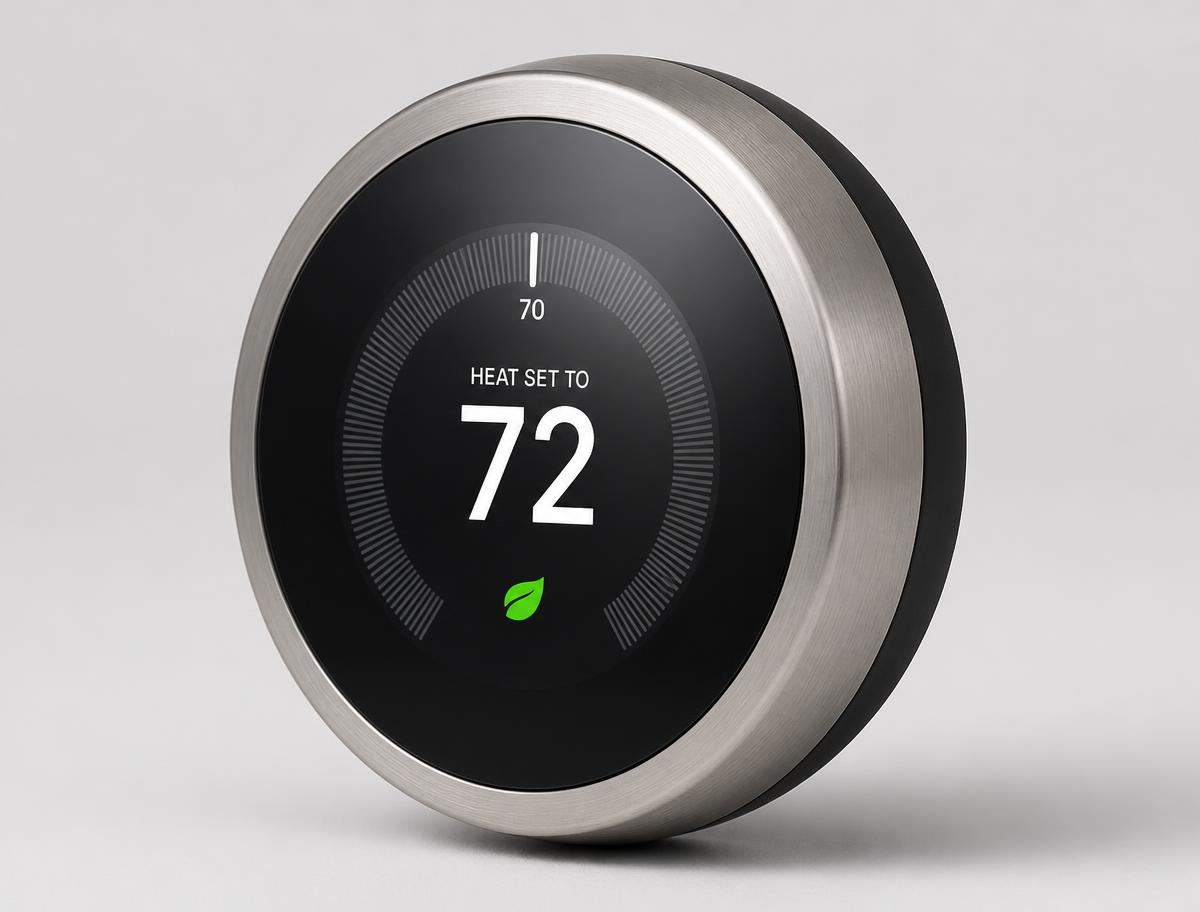
Learning Smart Thermostat
Schedules and setbacks handled automatically. Heating and cooling is usually the largest line on a US electric bill.
- Occupancy-aware setbacks
- Monthly energy reports
- Remote control while away
- Rebate-eligible in many areas
- Best for
- Homes with central HVAC
- Price range
- $$$
Affiliate link — as an Amazon Associate we earn from qualifying purchases.
Best partner upgrade
DC-Motor Ceiling Fan with LED Light
A DC motor draws a small fraction of an air conditioner. Running it lets most people sit comfortably a few degrees warmer in summer.
- Who it's for
- Bedrooms and open-plan living rooms
- Key specs
- Motor: DC — typically 5–35W · Speeds: Six-speed plus reverse
Pros
- Far cheaper to run than AC
- Quiet at low speeds
- Winter reverse mode reuses warm air
Cons
- Cools people, not rooms
- Higher upfront than AC fans
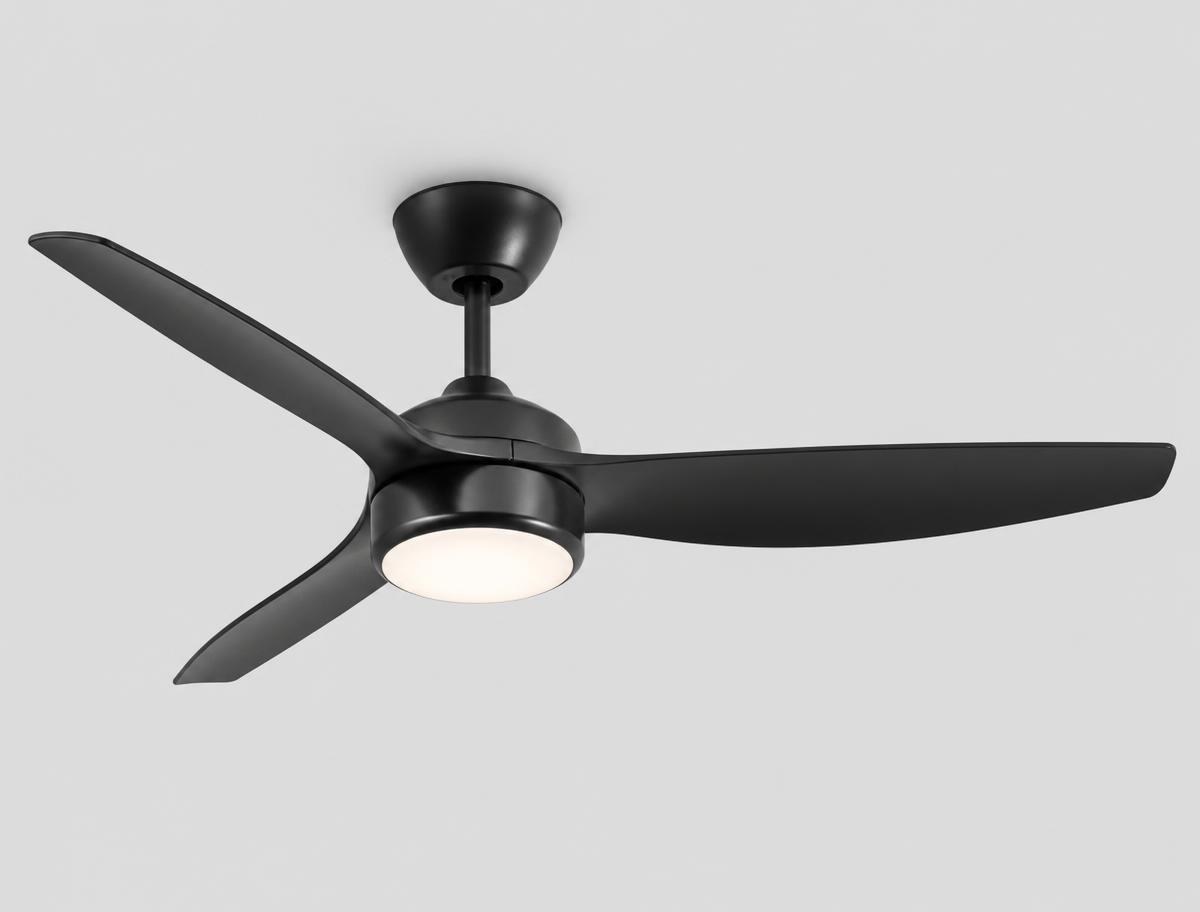
DC-Motor Ceiling Fan with LED Light
A DC fan draws a fraction of an air conditioner and lets you hold the thermostat a few degrees higher in summer.
- DC motor, low wattage
- Reversible for winter
- Integrated dimmable LED
- Remote and app speeds
- Best for
- Bedrooms and open-plan living rooms
- Price range
- $$$
Affiliate link — as an Amazon Associate we earn from qualifying purchases.
Best for large or outdoor spaces
62" Indoor/Outdoor DC Ceiling Fan with Light and Remote
Same DC efficiency at a span that actually moves air in a large space, so the AC is not doing the work alone.
- Who it's for
- Big rooms, covered patios and porches
- Key specs
- Span: 62 inches · Motor: Reversible DC, six speeds
Pros
- Big air movement at low speed
- Timer and reverse mode included
- Suits covered outdoor spaces
Cons
- Needs a fan-rated box and adequate ceiling height
- Two-person install
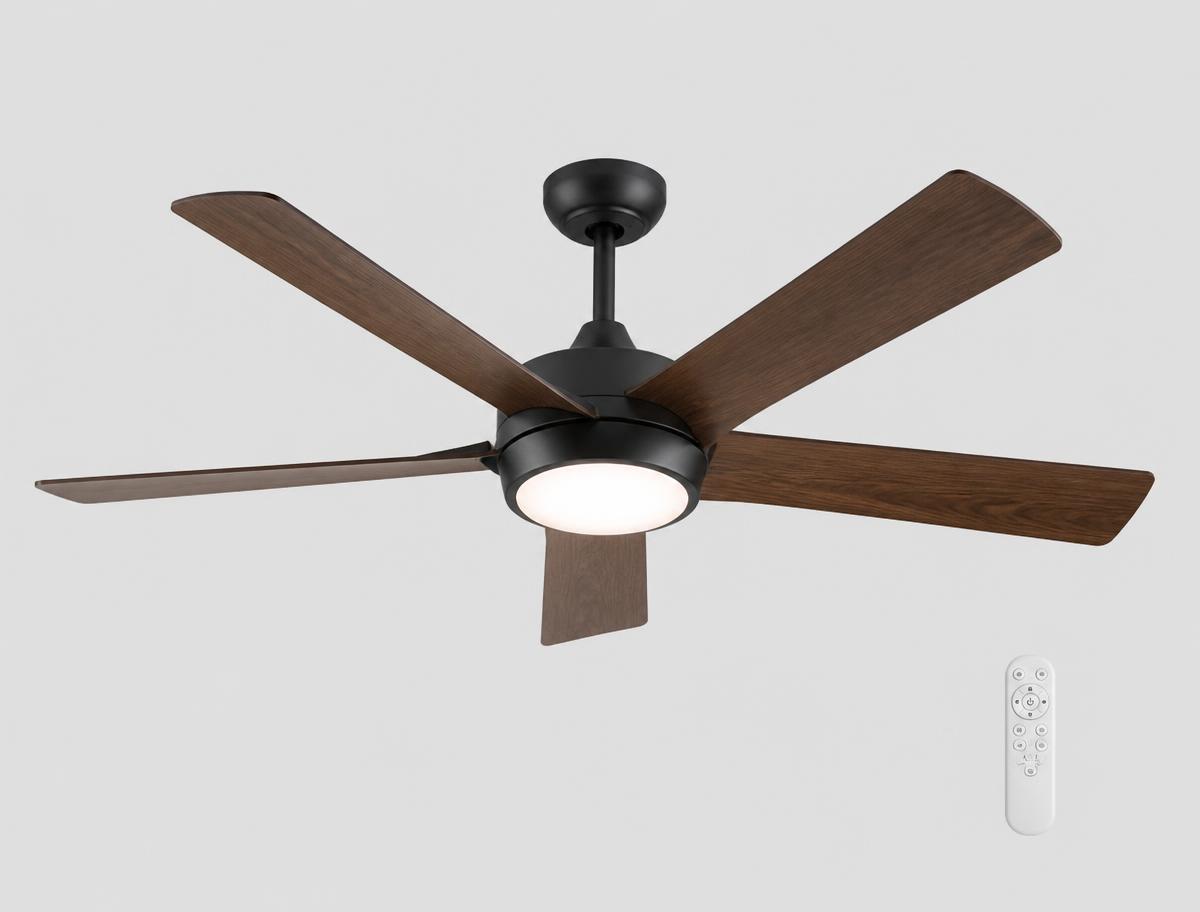
62" Indoor/Outdoor DC Ceiling Fan with Light and Remote
A large-span DC fan for great rooms, patios and high ceilings, where one big slow fan moves more air than two small fast ones.
- 62-inch span, 8 blades
- Reversible DC motor, 6 speeds
- 3-colour-temperature LED light
- Two downrods for high ceilings
- Best for
- Great rooms, patios and high ceilings
- Price range
- $$$
Affiliate link — as an Amazon Associate we earn from qualifying purchases.
Best for proving the change
Whole-Home Energy Monitor
Shows what your HVAC actually costs before and after you change the schedule — the only honest way to check the upgrade paid off.
- Who it's for
- Anyone who wants numbers, not guesses
- Key specs
- Sensing: Current transformer clamps · Resolution: Whole-home + per-circuit
Pros
- Finds waste plugs can't reach
- Verifies whether upgrades worked
- Detects failing appliances
Cons
- Panel work needed
- Most expensive monitoring option
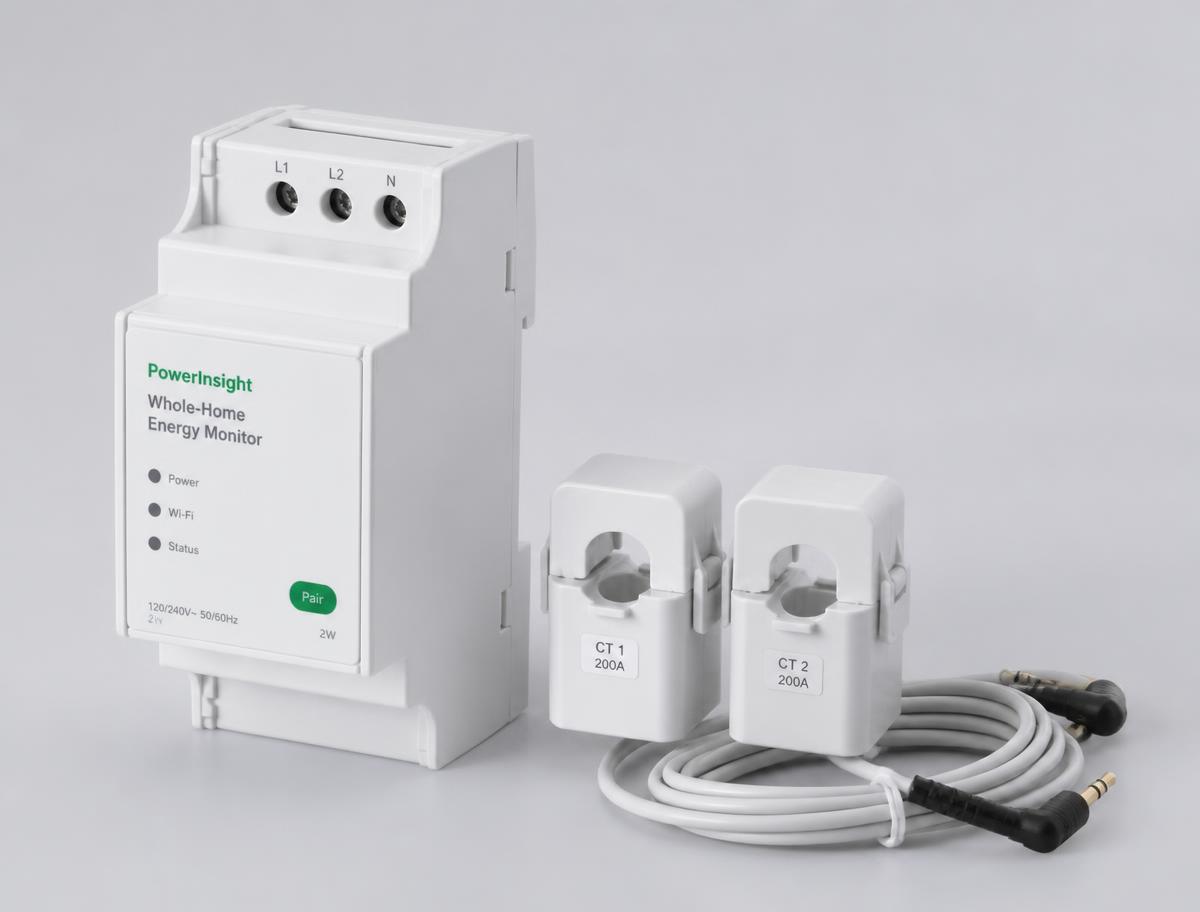
Whole-Home Energy Monitor
Clamps onto your mains and breaks consumption down by circuit, so the mystery portion of your bill finally has a name.
- Real-time whole-home watts
- Circuit-level breakdown
- Historical kWh trends
- Licensed install recommended
- Best for
- Households serious about cutting the bill
- Price range
- $$$
Affiliate link — as an Amazon Associate we earn from qualifying purchases.