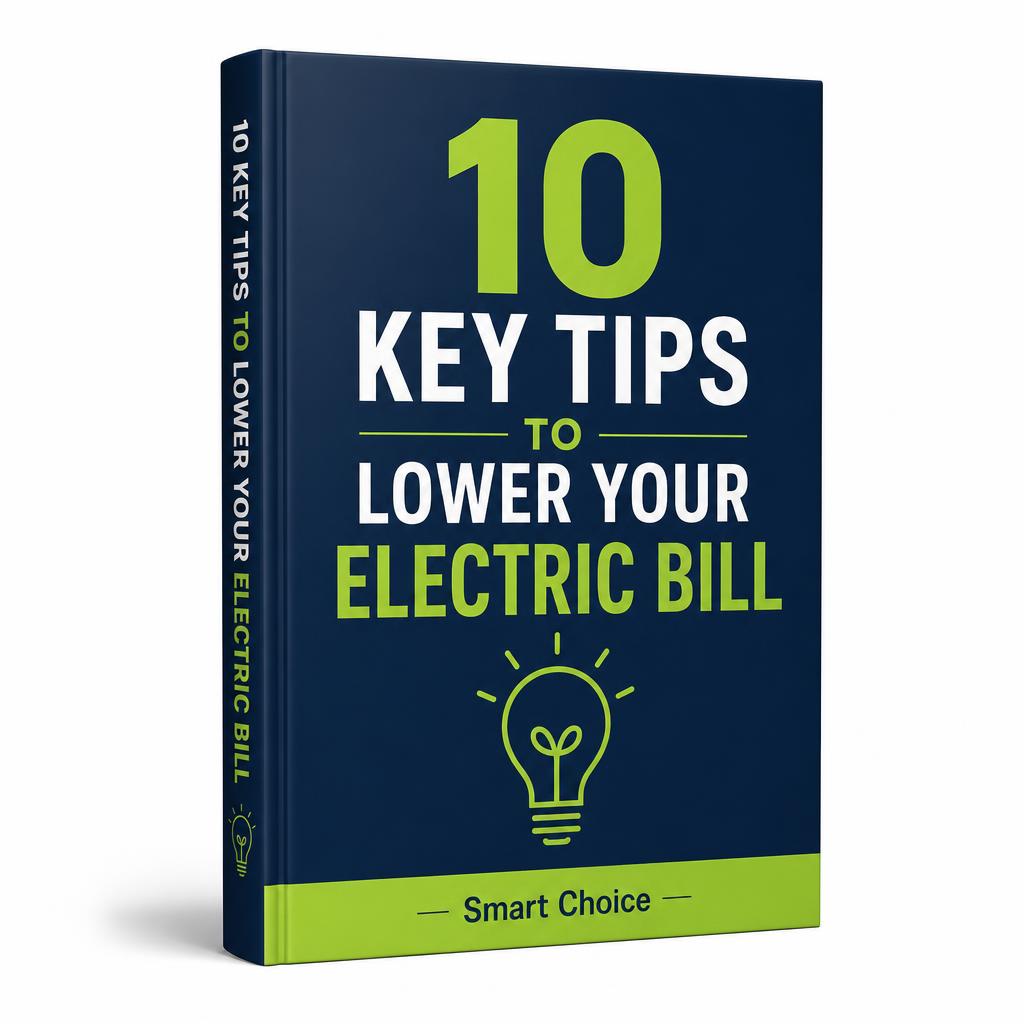
Most wasted electricity is not dramatic. It hides in chargers that never unplug, bulbs that run hot, heating schedules nobody adjusted and gaps around doors. The good news: each of these leaks has a simple fix, and you can start with whichever one fits your home and budget. Results vary by home, climate, rates and habits, so treat these as practical steps rather than guaranteed savings.
1. Standby power from electronics
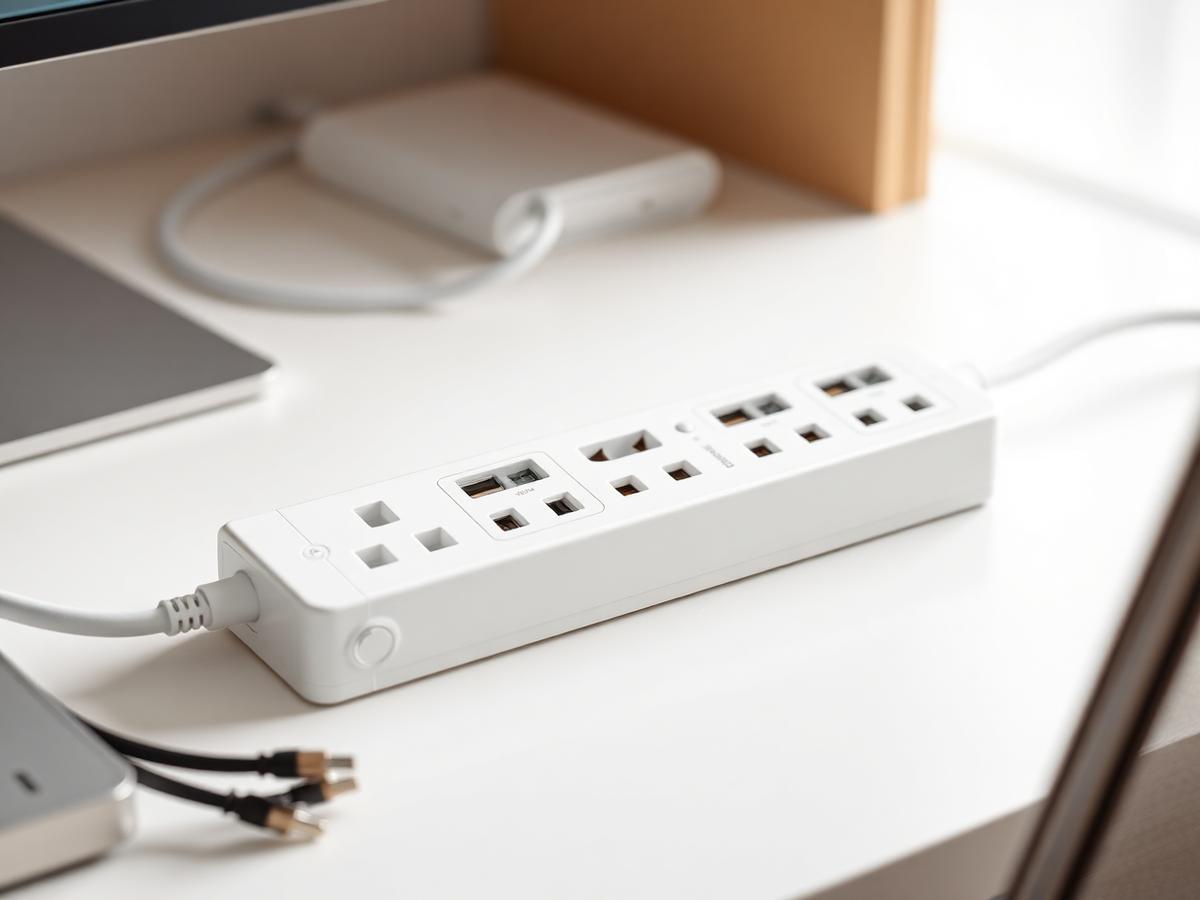
TVs, game consoles, set-top boxes, printers and chargers often draw power even when they look switched off. Individually the draw is small, but it runs every hour of every day.
Fix: plug entertainment and office gear into a smart power strip or smart plugs so you can cut power on a schedule, by voice or from your phone. Some smart plugs also show how much a device uses, which makes the biggest offenders easy to spot.
2. Outdated incandescent lighting
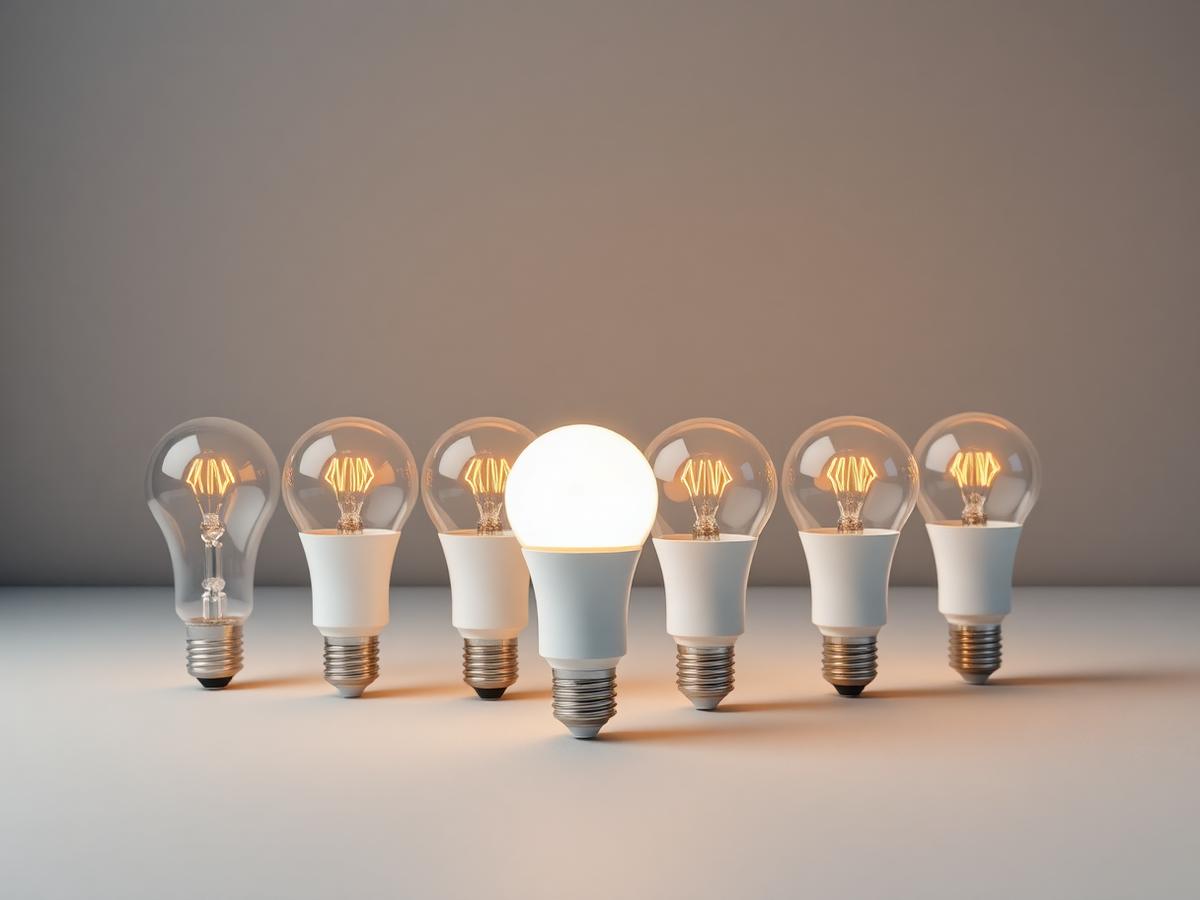
Incandescent bulbs turn much of their electricity into heat instead of light. LED bulbs deliver comparable brightness using far fewer watts and typically last much longer.
Fix: start by replacing the bulbs you use most — kitchen, living room, porch and any fixture that stays on for hours each evening. Match lumens (brightness), not watts, when choosing replacements.
LED vs incandescent: the full comparison →Estimate your LED savings →
3. Inefficient thermostat settings
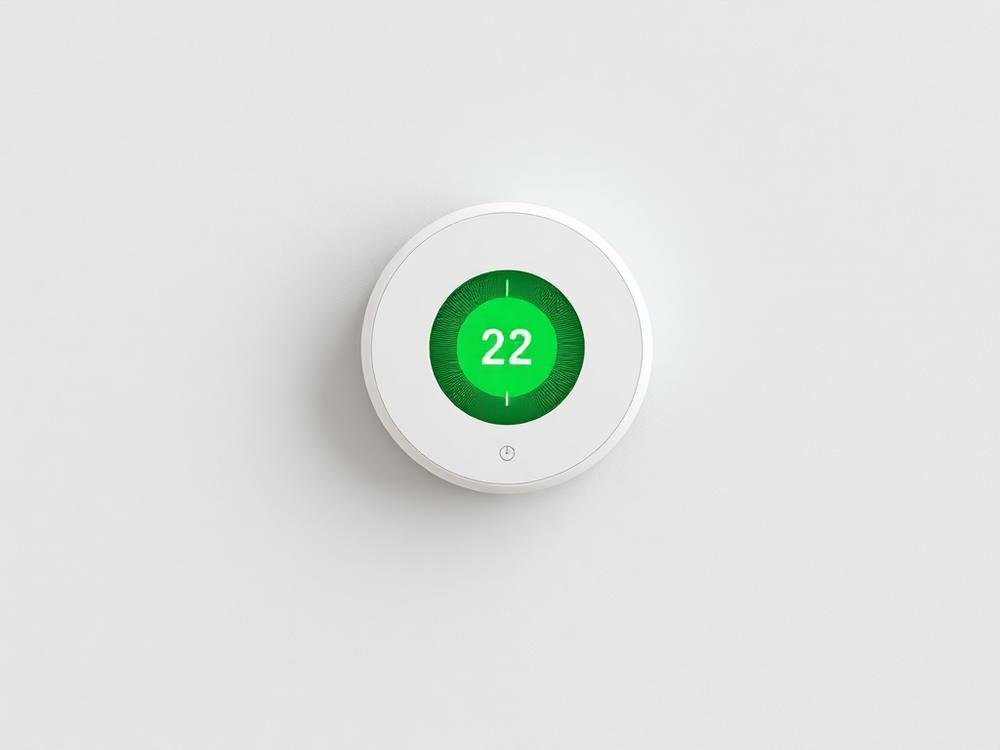
Heating and cooling an empty home, or holding the same temperature overnight, uses energy you never benefit from.
Fix: set a programmable or smart thermostat schedule that eases the temperature while you sleep or are away and returns to comfort before you need it. Many smart models also let you adjust from your phone when plans change.
4. Lights left on in empty rooms
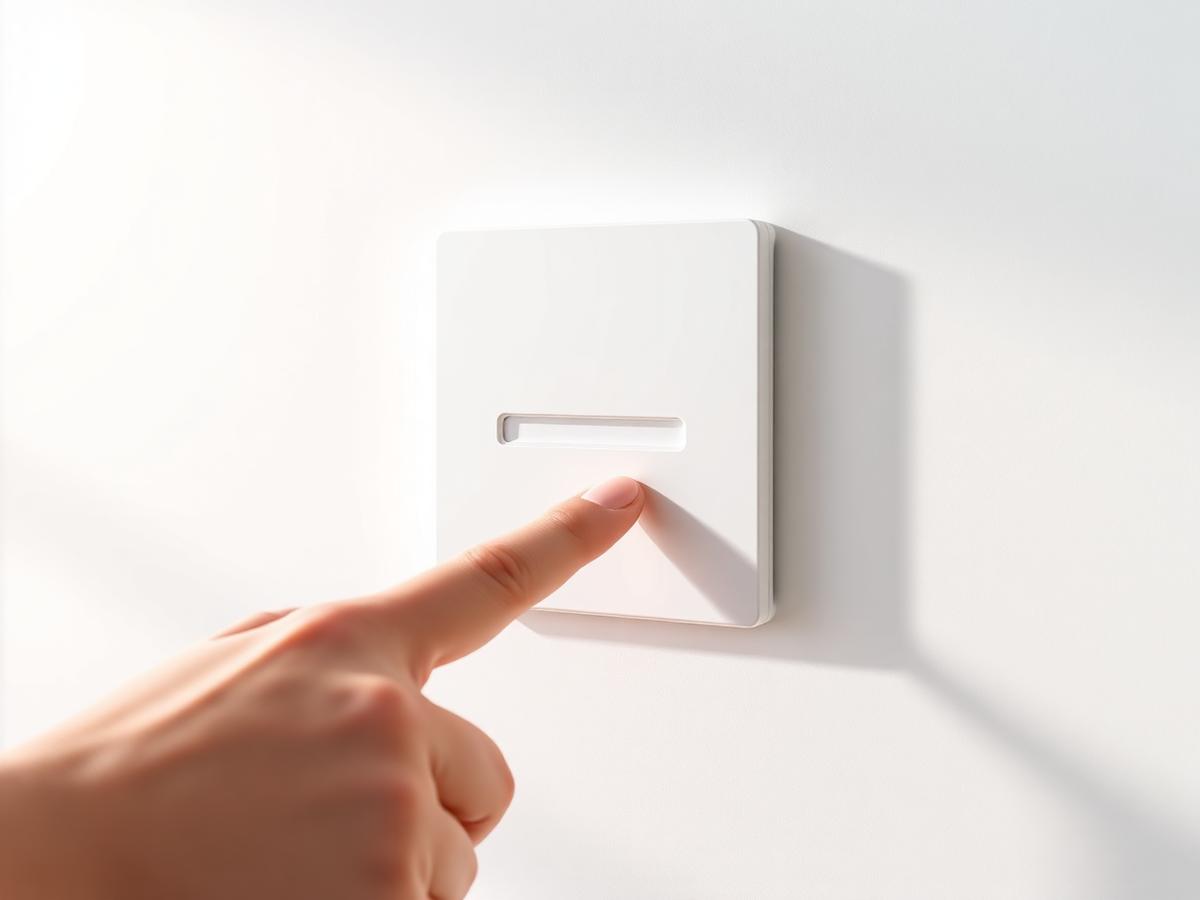
Closets, garages, laundry rooms and kids' bedrooms are classic spots where lights stay on long after everyone leaves.
Fix: install occupancy or motion-sensor switches in low-traffic rooms, or smart switches with timers and schedules so lights shut off automatically.
5. Inefficient outdoor and security lighting

Porch, driveway and security lights that burn all night with old bulbs can quietly add up.
Fix: switch to LED fixtures with dusk-to-dawn or motion activation, or consider solar-powered LED lights for paths and areas away from wiring. Motion-activated lighting can also make it more noticeable when someone approaches.
6. Air leaks around doors and windows
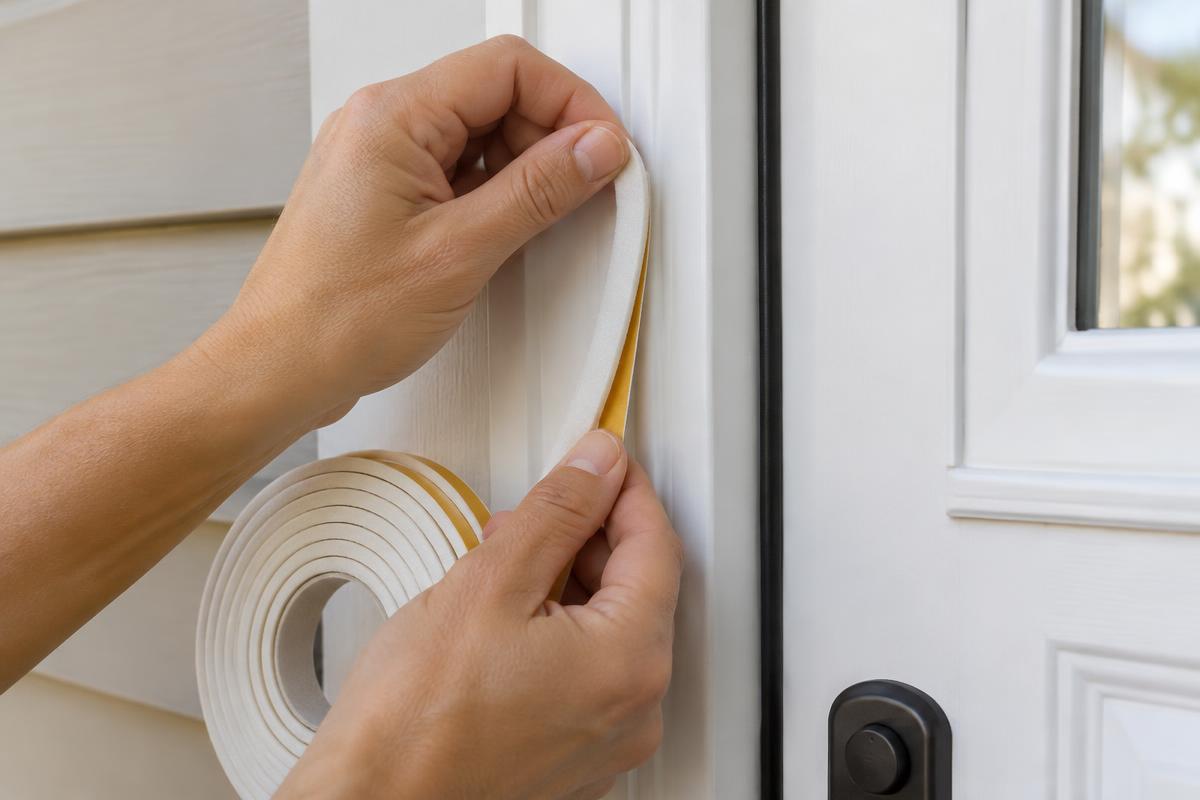
Gaps around doors, windows, attic hatches and outlets let conditioned air escape, so your heating and cooling systems run longer.
Fix: seal gaps with weatherstripping, door sweeps and caulk, and check attic insulation. Feel for drafts on a windy day, or hold a lit incense stick near frames to see where air moves.
7. Inefficient appliance use

Running half-empty dishwashers and washers, using hot water when cold works, and keeping an old second fridge running in the garage all use more electricity than needed.
Fix: run full loads, use cold-water and eco cycles where suitable, clean dryer lint filters and refrigerator coils, and look for ENERGY STAR certified models when it is time to replace an appliance.
Your challenge: pick two improvements this month
Don't try to fix everything at once. Choose two items from this list — for example, smart plugs for your TV area and LEDs in your kitchen — and make those changes this month.
Note your electricity usage before you start (your utility bill or online account shows kWh), then compare the next billing period or two. Weather and household changes affect usage, so look for trends rather than a single number.
25 more ways to reduce your electric bill →Get the free energy-saving guide →
Explore products that help with these fixes
Browse our catalog of smart plugs, LED lighting, thermostats and more. Each listing links to its existing product page on Amazon.
Affiliate disclosure: SmartChoiceLiving.com may earn commissions from qualifying purchases made through links on this site, at no extra cost to you. As an Amazon Associate we earn from qualifying purchases.
Keep reading
Free guide
10 Keys to Lowering Your Bill
A short, practical PDF you can work through in a weekend. No fluff, no hype — just the changes that move a real electric bill.
- The 3 changes that cut the most kWh first
- A room-by-room LED swap checklist
- How to read your bill and spot the expensive habits
- Where phantom loads hide — and how to measure them