A monitor does not save a single watt on its own. It tells you which of your habits and appliances are expensive, which is the difference between buying the right upgrade and buying an interesting one.
Start whole-home if you want the big picture and the HVAC number; start with a metering plug if you suspect one device.
Last updated 2026-09-15. Savings ranges are estimates based on typical US usage and electricity rates. Your actual result depends on your habits, local rate and how much the device is used — nothing here is a guaranteed saving.
The picks, side by side
| Pick | Product | Who it's for | Pros | Cons | Price |
|---|---|---|---|---|---|
| Best overall | Whole-Home Energy Monitor | Anyone serious about cutting a whole bill |
|
| $$$ |
| Best cheap start | Smart Plug with Energy Monitoring | Checking one suspect device |
|
| $ |
| Best for a cluster of devices | Smart Power Strip with Per-Outlet Control | Media walls and desks |
|
| $$ |
| Best for tying it together | Smart Home Hub / Controller | Homes with several brands of device |
|
| $$ |
Best overall
Whole-Home Energy Monitor
Panel-level visibility catches the loads you would never think to plug into a meter, HVAC first among them.
- Who it's for
- Anyone serious about cutting a whole bill
- Key specs
- Sensing: Current transformer clamps · Resolution: Whole-home + per-circuit
Pros
- Finds waste plugs can't reach
- Verifies whether upgrades worked
- Detects failing appliances
Cons
- Panel work needed
- Most expensive monitoring option
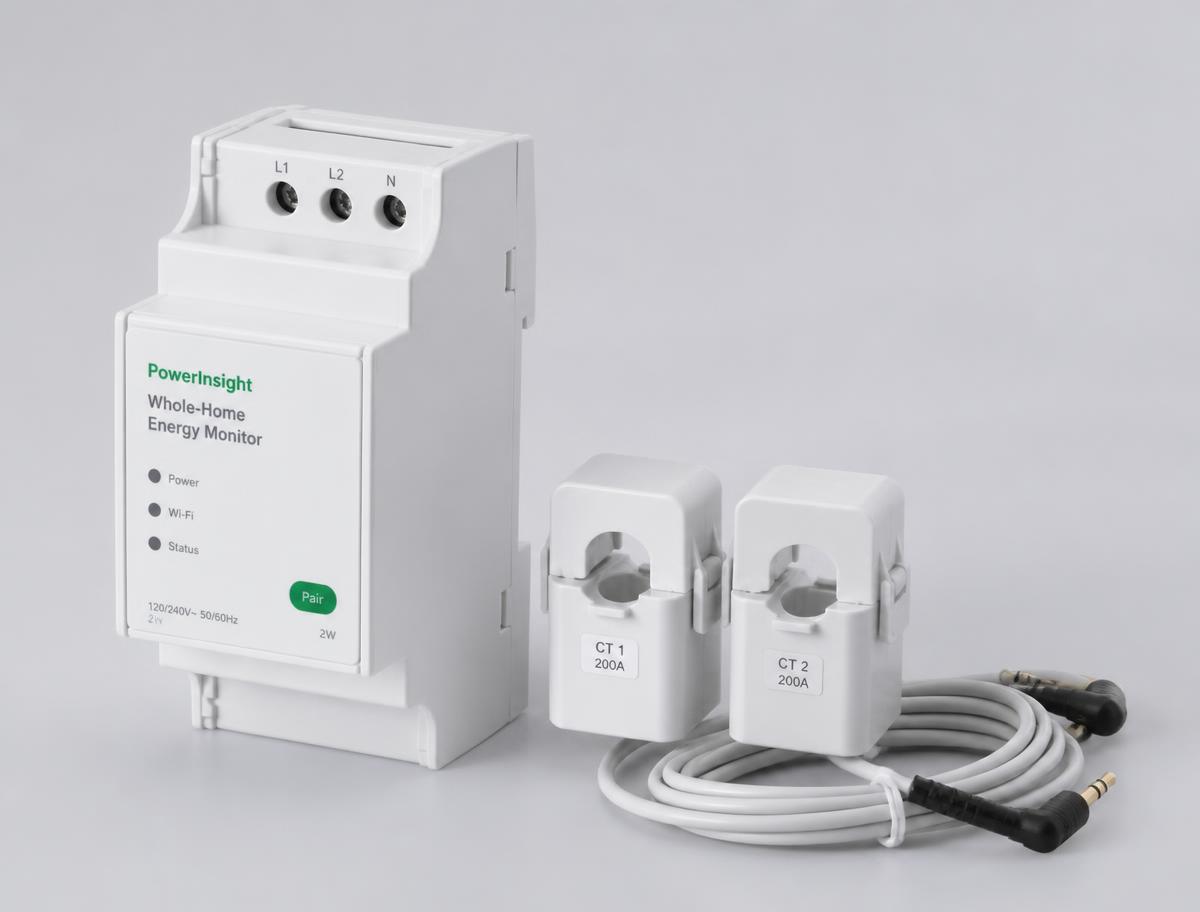
Whole-Home Energy Monitor
Clamps onto your mains and breaks consumption down by circuit, so the mystery portion of your bill finally has a name.
- Real-time whole-home watts
- Circuit-level breakdown
- Historical kWh trends
- Licensed install recommended
- Best for
- Households serious about cutting the bill
- Price range
- $$$
Affiliate link — as an Amazon Associate we earn from qualifying purchases.
Best cheap start
Smart Plug with Energy Monitoring
Cheapest possible way to answer 'what does this thing actually cost me?' — and it switches the device off once you know.
- Who it's for
- Checking one suspect device
- Key specs
- Monitoring: Watts, kWh, runtime · Scheduling: Timers and away modes
Pros
- Turns guesses into measured data
- Cheap way to start automating
- Great for space heaters and TVs
Cons
- One outlet per plug
- Not for high-draw hardwired appliances
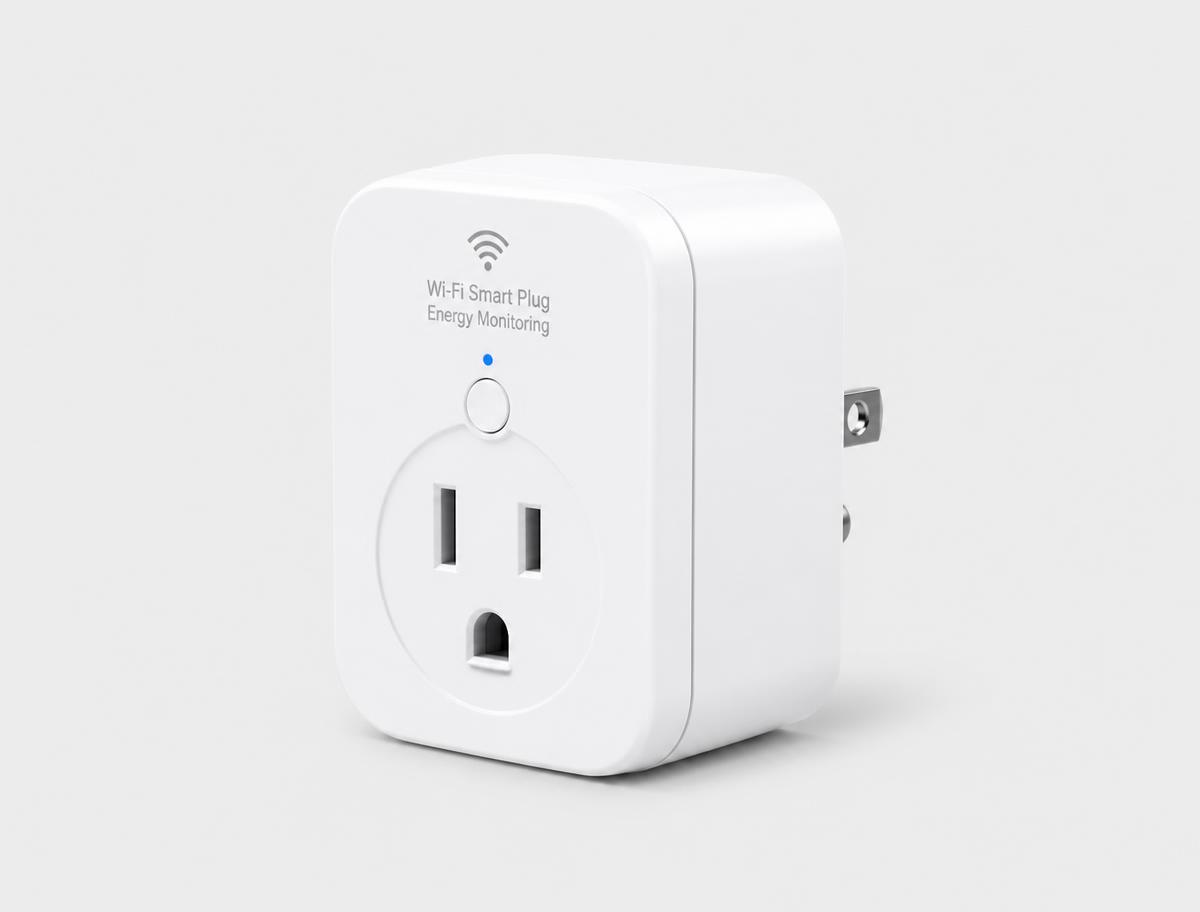
Smart Plug with Energy Monitoring
Measures what a single appliance actually draws, so you can stop guessing which devices are quietly costing you money.
- Watts, kWh and runtime logging
- Timers and away modes
- Voice assistant support
- Check amp rating first
- Best for
- Finding phantom loads
- Price range
- $
Affiliate link — as an Amazon Associate we earn from qualifying purchases.
Best for a cluster of devices
Smart Power Strip with Per-Outlet Control
Combines measurement-driven scheduling with per-outlet control, so the fix follows the finding immediately.
- Who it's for
- Media walls and desks
- Key specs
- Outlets: Typically 3–6 switched · USB: 2–4 charging ports
Pros
- Kills several phantom loads at once
- Keeps always-on devices separate
- Tidier than multiple smart plugs
Cons
- Bulkier than a plain strip
- Cloud dependency on some models
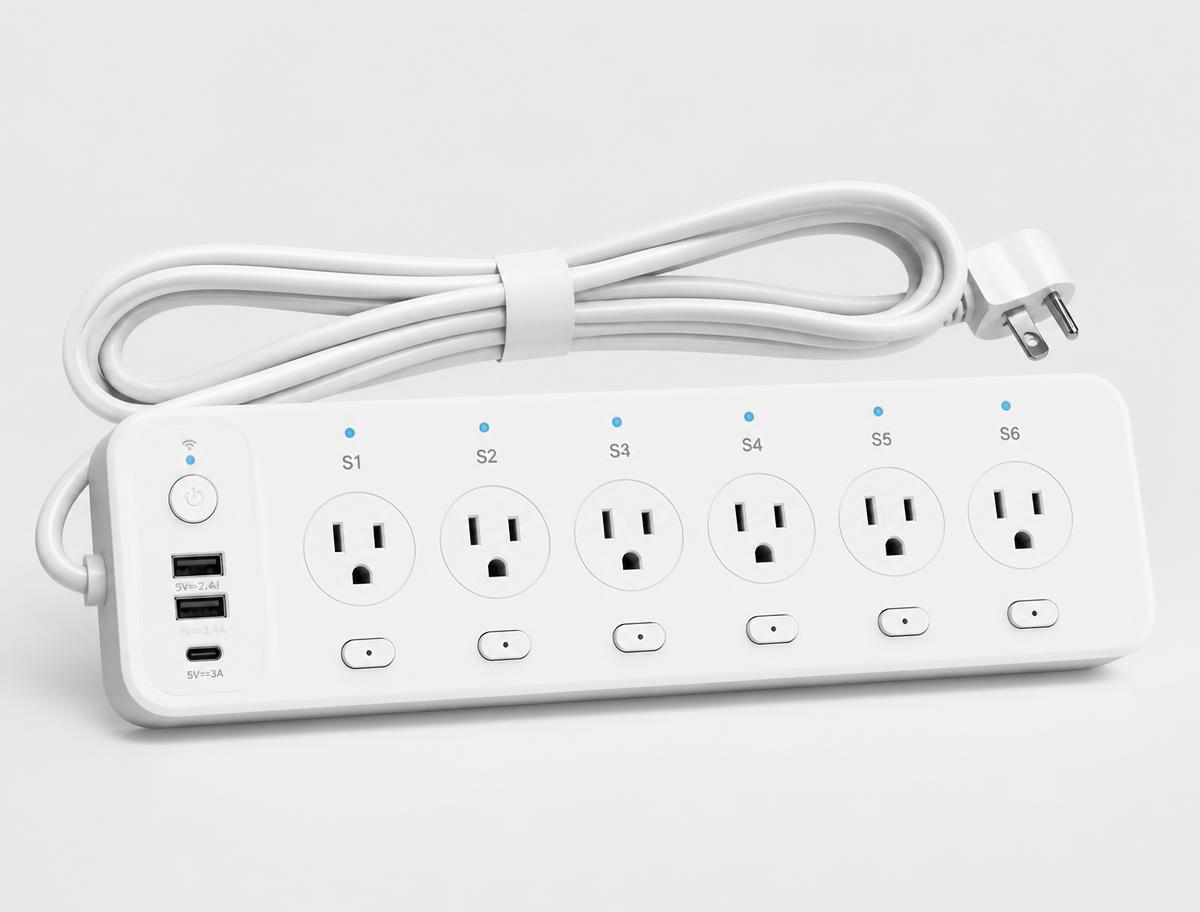
Smart Power Strip with Per-Outlet Control
Switches a whole media centre or desk cluster off at once, removing the standby draw of six devices in a single schedule.
- Individually switched outlets
- Surge protection
- USB charging ports
- Group schedules and scenes
- Best for
- Media centres and home offices
- Price range
- $$
Affiliate link — as an Amazon Associate we earn from qualifying purchases.
Best for tying it together
Smart Home Hub / Controller
Useful once monitoring leads to automations across products that otherwise live in separate apps.
- Who it's for
- Homes with several brands of device
- Key specs
- Protocols: Wi-Fi, Thread, Zigbee, Matter · Automation: Local rules and schedules
Pros
- Ties mixed-brand gear together
- Automations survive internet outages
- Unlocks sensor-triggered savings
Cons
- Another always-on device
- Setup takes an evening
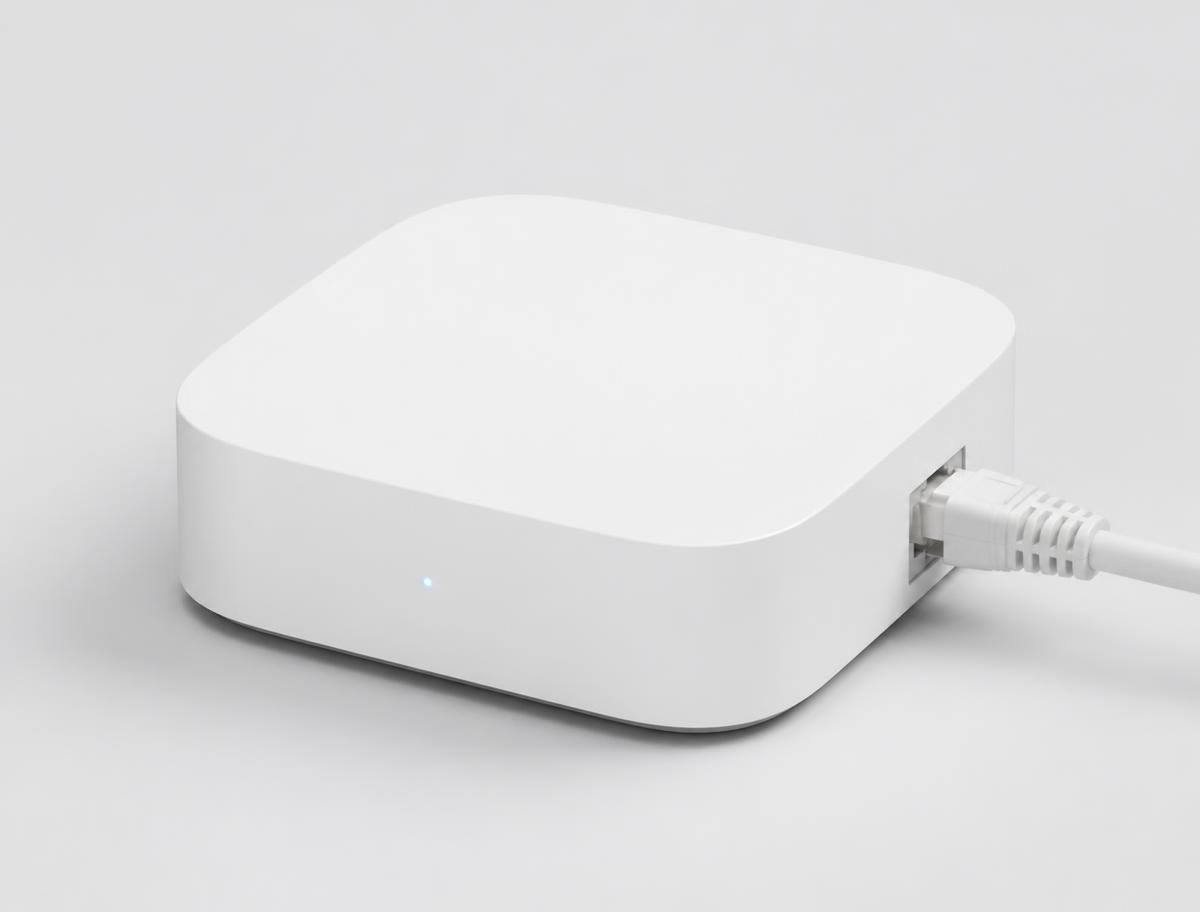
Smart Home Hub / Controller
Keeps schedules, sensors and scenes running locally instead of depending on five separate apps and clouds.
- Matter / Thread / Zigbee support
- Local automations keep working offline
- One app for every device
- Sensor-driven energy routines
- Best for
- Homes with devices from several brands
- Price range
- $$
Affiliate link — as an Amazon Associate we earn from qualifying purchases.