Outdoor lights are easy to forget because nobody switches them off. A porch or driveway light that runs from dusk to dawn can burn for more than 4,000 hours a year. Motion sensors, dusk-to-dawn timing and solar panels each attack that cost differently — here is how to choose.
Do the math for your own light first
Annual cost = watts × hours per night × 365 ÷ 1,000 × your price per kWh. Your price per kWh is printed on your electric bill.
Worked example (illustrative, not a promise): a 60-watt bulb left on 12 hours a night uses about 263 kWh a year. At $0.17 per kWh that is roughly $45 a year for one fixture. A 9-watt LED doing the same job uses about 39 kWh, roughly $7. Plug your own numbers into our savings calculator to see your figure.
Option 1: Swap to LED and add a motion sensor
For wired fixtures, the cheapest upgrade is usually an LED bulb plus motion sensing. The light stays off until someone walks up, so run-time can drop from all night to minutes. Bright light that switches on suddenly is also a stronger deterrent than a dim light that is always on.
- Aim the sensor at the path people actually walk, not the street
- Set a short hold time (1–3 minutes) so it does not stay on long after motion
- Use dusk-to-dawn mode only where you genuinely need constant light
Option 2: Solar lights for spots with no wiring
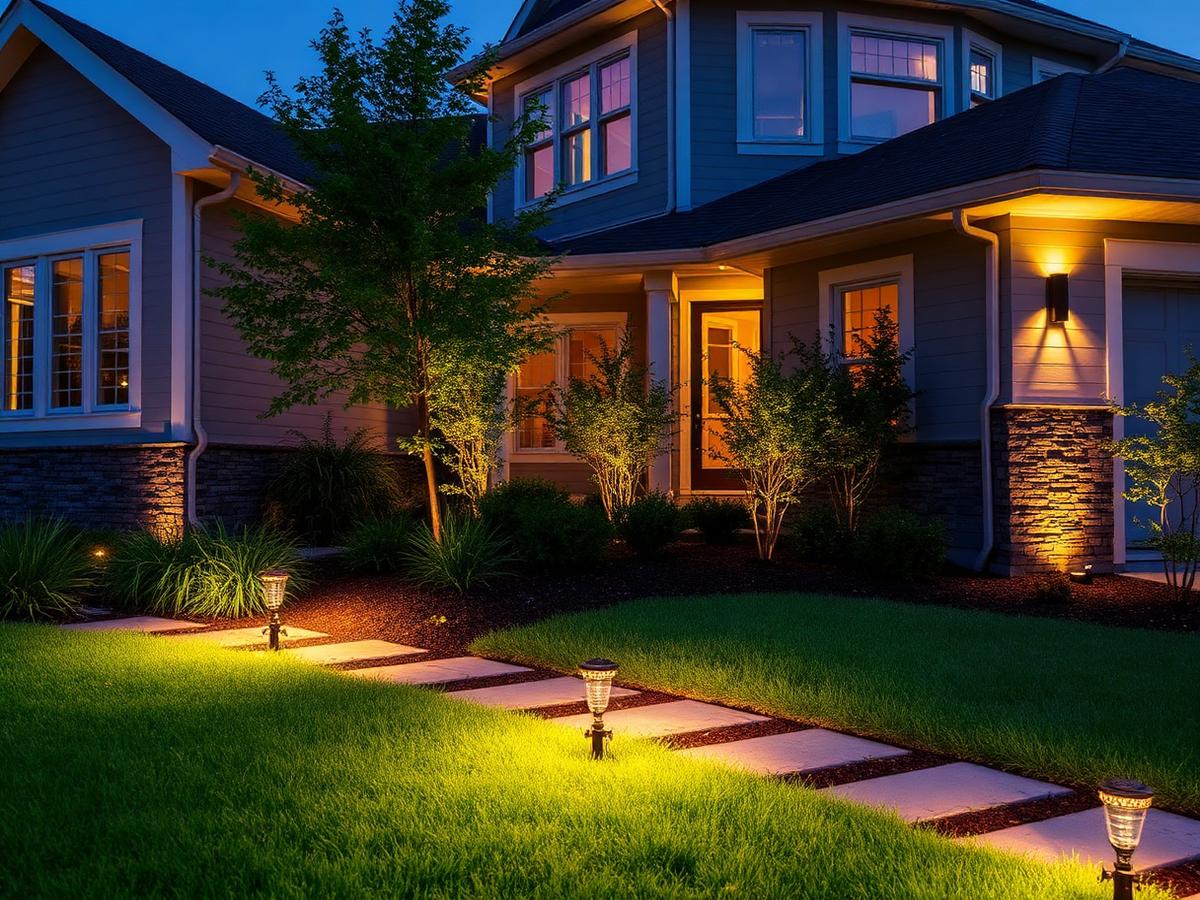
Solar lights draw nothing from your meter, and they make sense where running a cable would cost more than the light: fences, sheds, side paths, long driveways and parking areas.
Their limits are real. Output depends on how much sun the panel gets, so a panel in shade or a run of cloudy winter days means shorter, dimmer nights. Batteries also wear out over a few years. Treat solar as a supplement for remote spots rather than a guaranteed replacement for your main entry light.
- Mount the panel where it sees several hours of direct sun
- Prefer motion-activated modes — they stretch battery life
- Check for a replaceable battery and a weather rating (IP65 or better) in the listing
Option 3: Smart outdoor lighting on a schedule
Smart bulbs, plugs or switches let you set sunset-based schedules and turn lights off from your phone, so a forgotten porch light is no longer an all-night cost. Pair a schedule with motion sensing where you can.
Outdoor smart lighting setup guide →LED vs incandescent: the full comparison →
Backup power for outages
If your goal is keeping lights and essentials running during an outage, a portable power station charged from solar panels is a different tool from solar yard lights. It stores energy for when you choose to use it, rather than lighting one spot automatically.
Start with the cheapest fix
Replace the bulbs in lights that run all night, then add motion sensing. Use solar for spots that have no wiring.
Affiliate disclosure: SmartChoiceLiving.com may earn commissions from qualifying purchases made through links on this site, at no extra cost to you. As an Amazon Associate we earn from qualifying purchases.
FAQ
- Are solar security lights bright enough?
- They can be for paths, side yards and driveways, but brightness and run-time depend on sun exposure and battery condition. For a main entry, a wired LED with a motion sensor is usually more dependable.
- Do motion sensor lights really save money?
- They reduce the hours a light is on. How much you save depends on the bulb's wattage, how long it ran before, and your electricity rate — use the formula above with your own bill.
- Do solar lights work in winter?
- Yes, but shorter days and low sun mean less charge, so expect shorter run-times. Keep the panel clear of snow and leaves.
Keep reading
Free guide
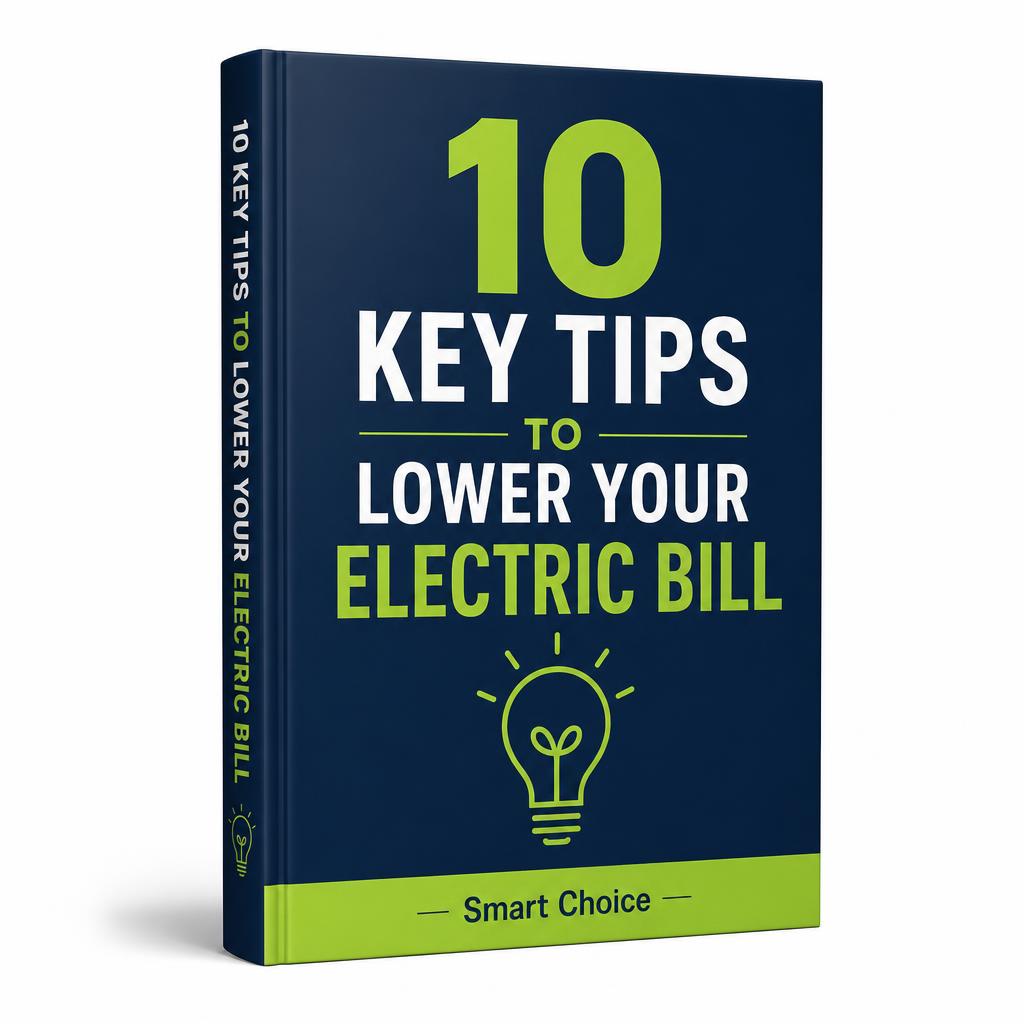
10 Keys to Lowering Your Bill
A short, practical PDF you can work through in a weekend. No fluff, no hype — just the changes that move a real electric bill.
- The 3 changes that cut the most kWh first
- A room-by-room LED swap checklist
- How to read your bill and spot the expensive habits
- Where phantom loads hide — and how to measure them